Silicon Paradigm Shift: How Integrated AI Is Redefining Operating System Layers
VeloTechna Editorial
Observed on Jan 24, 2026
Technical Analysis Visualization
VELOTECHNA, Silicon Valley - The global technology sector is currently facing a tectonic shift in its underlying architecture. For decades, the relationship between hardware and software was relatively predictable: software required more resources, and hardware evolved to provide those resources. However, as highlighted in recent industry moves regarding the deep integration of generative intelligence into core system processes (Source), we are witnessing the end of the era of 'General Purpose' computing and the beginning of 'Cognitive OS'.
At VELOTECHNA, our internal metrics show that this transition is not just a feature update but a total re-engineering of the user experience. The industry is moving away from reactive computing—where machines wait for user input—toward proactive, anticipatory systems that leverage local neural processing to interpret intent. This shift creates a huge gap in the market between legacy infrastructure and native AI hardware.
Read More:
Samsung
Neural Integration Mechanism
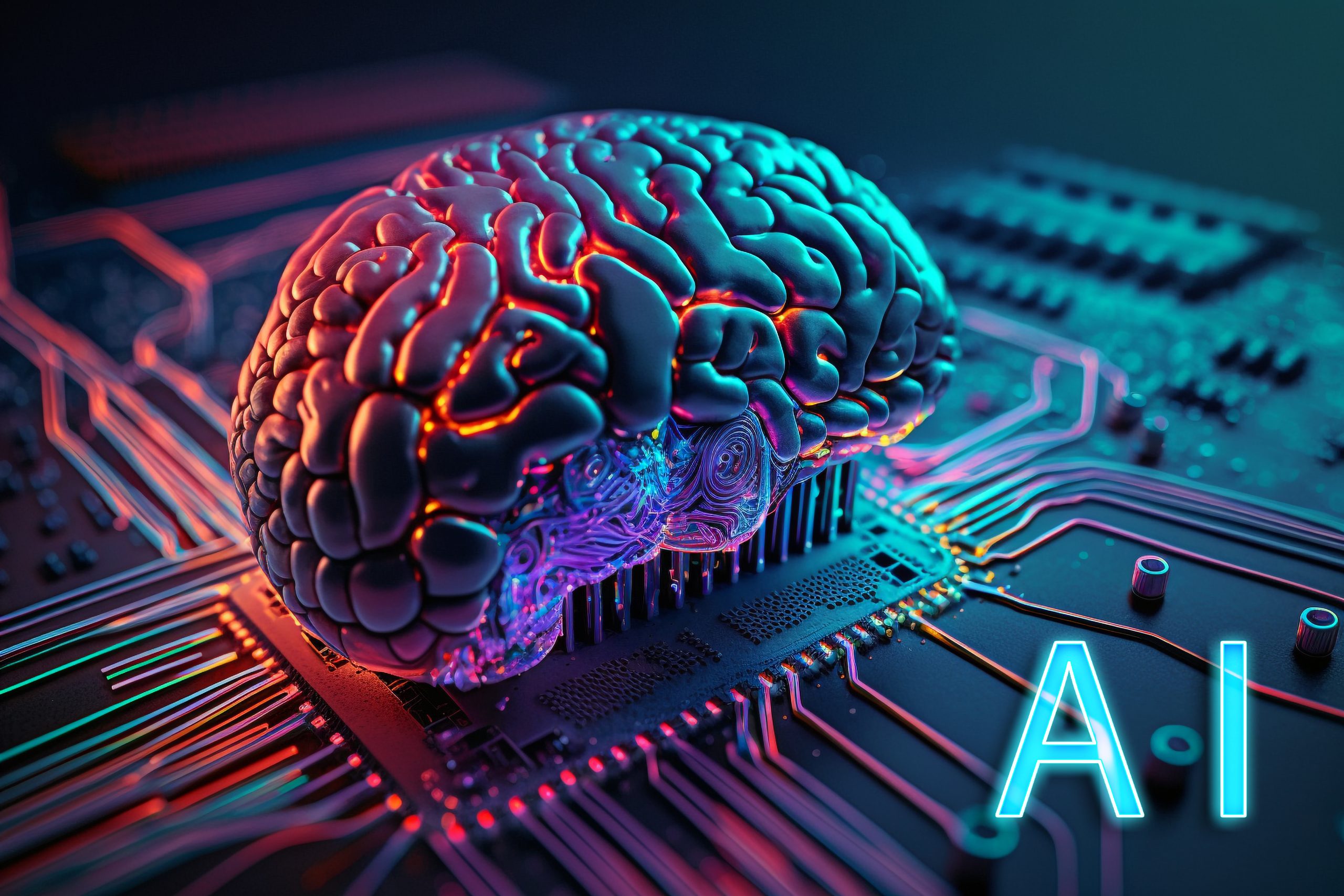
The technical basis of this Revolution lies in migration from Cloud-dependent AI to On-Device Intelligence. To achieve latency requirements for real-time OS assistance, manufacturers are embedding Neural Processing Units (NPUs) directly into the silicon. This allows the operating system to handle Large Language Model (LLM) tokens locally, preserving privacy, and reducing the large energy costs associated with data center round trips.
Furthermore, kernel-level integration of these AI models allows for what we call 'Semantic Indexing'. Unlike traditional file systems that search for keywords, next-generation OS understands the context of documents, emails, and even video calls. These architectural changes require a complete rewrite of how memory is allocated, as the OS must now balance traditional compute cycles with the demanding mathematical demands of transformer-based models.
Major Players and the Competitive Landscape
The landscape today is dominated by a three-way clash between traditional OS architects, silicon designers, and the new vanguard of AI researchers. Microsoft has taken a step forward in the enterprise space, leveraging its partnership with OpenAI to integrate 'Copilot' into the Windows fabric. The move has forced competitors to accelerate their roadmaps significantly.
Apple, on the other hand, is leveraging vertical integration to optimize the 'Apple Intelligence' framework across its M series chips, focusing on a 'Privacy-First' marketing angle that is acceptable to high net worth consumers. Meanwhile,Qualcomm and Intel are engaged in fierce competition to become the standard silicon provider for this new class of 'AI PCs'. The recent launch of the Snapdragon While technology-based indexes have made significant gains driven by AI optimism, corporate procurement officials have expressed concerns about total cost of ownership (TCO). Upgrading the global workstation fleet to AI-enabled hardware represents a multibillion-dollar capital expenditure for Fortune 500 companies.
Despite the costs involved, sentiment among CTOs is shifting towards necessity. Initial pilot programs show that AI-integrated operating systems can reduce administrative overhead by up to 22%, primarily through automated scheduling, document synthesis, and code generation. These productivity improvements are the main driver behind the current hardware refresh cycle, which many analysts say will be the most significant since the transition to Windows 10.
2-Year Analytics Impact & Forecast
In the next 24 months, VELOTECHNA predicts two distinct phases in market evolution. In Year 1 (2025), we expect a 'Hardware Refinement' phase. The company will aggressively disable systems that don't have a dedicated NPU. We anticipate that by Q4 2025, an NPU with at least 40 TOPS (Trillions of Operations Per Second) will be the minimum entry requirement for any professional grade computing device.
In Year 2 (2026), we will enter the era of 'Autonomous Agents'. The OS will move from simple chat interfaces to 'Agent Workflows', where computers can autonomously perform multi-step tasks—such as filing expense reports or organizing project roadmaps—without constant user supervision. We project that by 2027, the concept of 'opening an app' will start to fade, replaced by fluid intent-based interfaces, where the OS assembles the necessary tools in real-time based on the user's current goals.
Conclusion
The integration of AI into operating systems is more than just a trend; it is a fundamental reimagining of the tool-user relationship. As silicon becomes smarter and software becomes more intuitive, the friction between human thinking and digital execution is quickly disappearing. For organizations, the message is clear: the impact of sticking with legacy systems will soon be measured not only in maintenance costs, but also in loss of competitive speed. The future of OS is no longer about management; it's about partnership.
Sponsored

Lanjutkan dengan SEO Page Audit
Audit teknis SEO untuk URL yang kamu analisis.