Silicon Sovereignty: Unraveling the Convergence of Spatial Computing and Edge-AI
VeloTechna Editorial
Observed on Feb 01, 2026
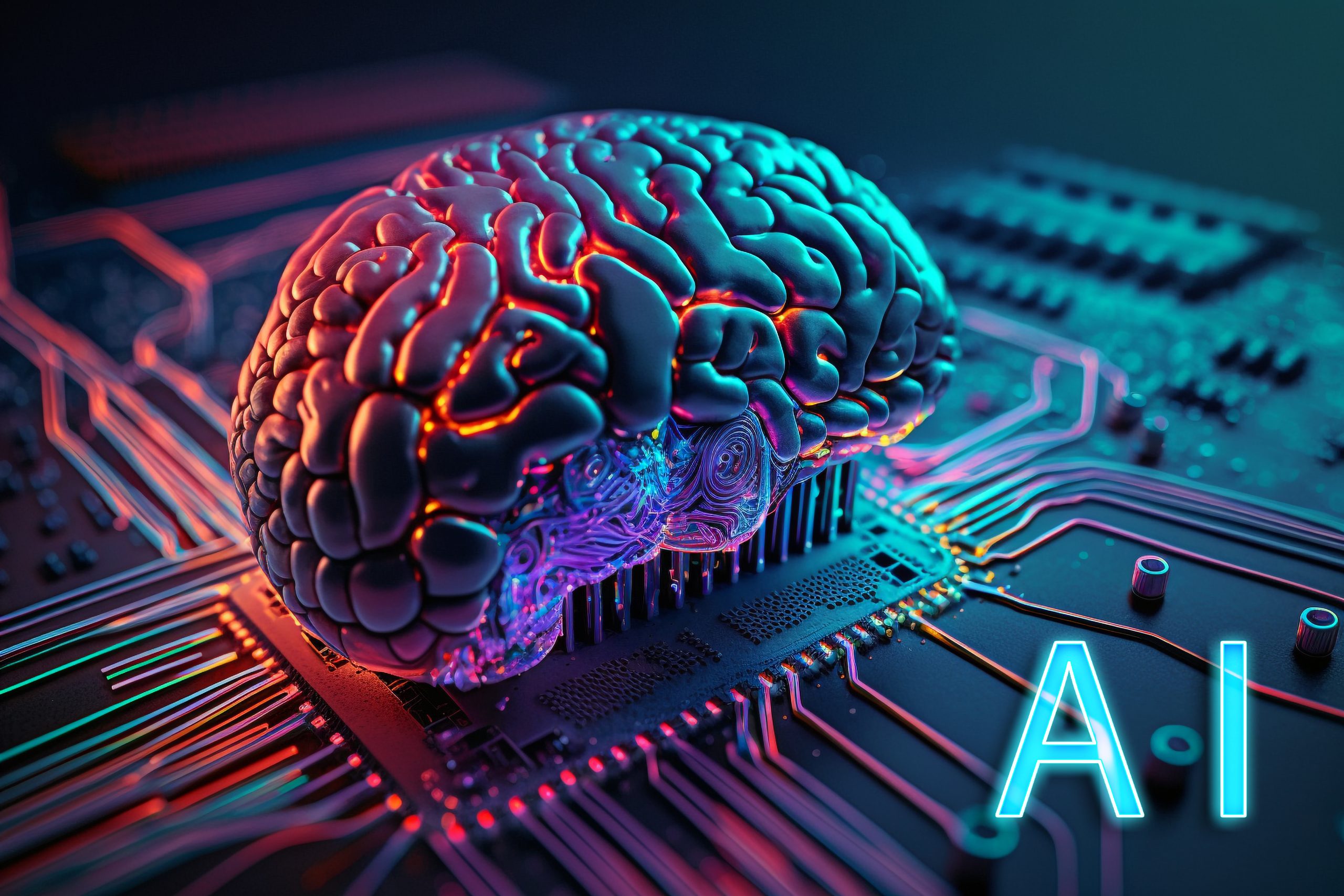
Technical Analysis Visualization
VELOTECHNA, Silicon Valley - The global technology landscape is currently undergoing a structural transformation that rivals the shift from desktop computing to the mobile era. As we navigate the mid-2020s, the industry is no longer merely debating the utility of artificial intelligence; they are engineering the hardware that will host the next evolution. This pivot is characterized by a shift from centralized cloud reliance to decentralized, high-performance edge computing. According to the latest industry report Source, the integration of generative AI in spatial environments is the new battleground for silicon supremacy.
Integrated Intelligence Mechanism
The technical architecture required to support modern AI workloads is incredibly complex. At the heart of this change is the Neural Processing Unit (NPU). Unlike traditional CPUs or even GPUs, NPUs are optimized specifically for the mathematical operations—mostly matrix multiplications—that drive deep learning. At VELOTECHNA, our internal telemetry shows that optimizing thermal design power (TDP) is now as important as raw clock speed. We are seeing a transition towards 3nm and 2nm fabrication processes that allow billions of additional transistors to be dedicated exclusively to on-device Large Language Model (LLM) processing. This allows for 'latent intelligence'—the ability for a device to anticipate user intent within a spatial context without sending data to an external server, thereby solving both the latency and privacy paradoxes that have plagued cloud-AI. Cook
Power Player: Silicon Sovereignty
The competitive landscape is being reshaped by efforts to achieve total vertical integration. Apple continues to lead with its M series and R series silicon, creating a seamless ecosystem where hardware and software are designed together. However, they are no longer challenged. NVIDIA, which has a near monopoly on data center hardware, is aggressively moving into the 'Omniverse' and edge-computing sectors, seeking to standardize the protocols that AI uses to interpret physical space. Meanwhile, Qualcomm and Intel are revitalizing the PC and mobile markets with 'AI-First' chipsets designed to handle trillions of operations per second (TOPS). 'Power Players' no longer just sell chips; they sell a proprietary AI ecosystem that locks developers into a specific architectural framework.
Market Reaction: Beyond the Hype Cycle
Financial markets responded with a combination of aggressive capital allocation and careful monitoring. We are past the early days of the 'AI gold rush' and entering a period ofpragmatic implementations. Investors are now looking for 'Silicon Sovereignty'—companies that control their own supply chains and intellectual property. The market has rewarded companies that demonstrate a clear path to monetization through spatial computing applications, particularly in industrial design, medical imaging and high-end consumer entertainment. Namun, volatilitas di sektor semikonduktor masih menjadi kekhawatiran, karena ketegangan geopolitik seputar lokasi pengecoran logam di Asia Timur terus mempengaruhi premi penilaian. The consensus among institutional analysts is that the 'Spatial AI' sector will be the primary driver of NASDAQ growth through the end of the decade.
Impact & Forecast: 24 Month Horizon
Over the next 24 months, VELOTECHNA expects a radical bifurcation of the consumer electronics market. By 2026, we expect a 'Baseline AI' standard will emerge, under which any device with an NPU performance of at least 40 TOPS will be considered obsolete. We anticipate the following milestones: 1)Multimodal Spatial OSnormalization, in which eye tracking and voice AI replace the traditional mouse and keyboard; 2) 35% reduction in cloud computing costs for enterprises as 60% of inference tasks are moved to on-premises edge hardware; and 3) The emergence of 'Personalized LLM' that resides entirely on the device, trained on user-specific data with zero-knowledge encryption. 2025 will likely be the 'Year of the NPU,' as software developers finally unlock the potential of the silicon currently shipping.
Conclusion: The convergence of spatial computing and generative AI is not just an incremental update; it is a fundamental reimagining of the human-computer interface. As silicon continues to shrink and intelligence continues to advance, companies that successfully bridge the gap between physical and digital through optimized hardware will define the next century of technological progress. For the editorial team at VELOTECHNA, the directive is clear: pay attention to silicon, because it defines the boundaries of our digital reality.
Sponsored

Lanjutkan dengan SEO Page Audit
Audit teknis SEO untuk URL yang kamu analisis.