The Perovskite Revolution: How Recent Breakthroughs Are Redefining LED Efficiency
VeloTechna Editorial
Observed on Jan 06, 2026
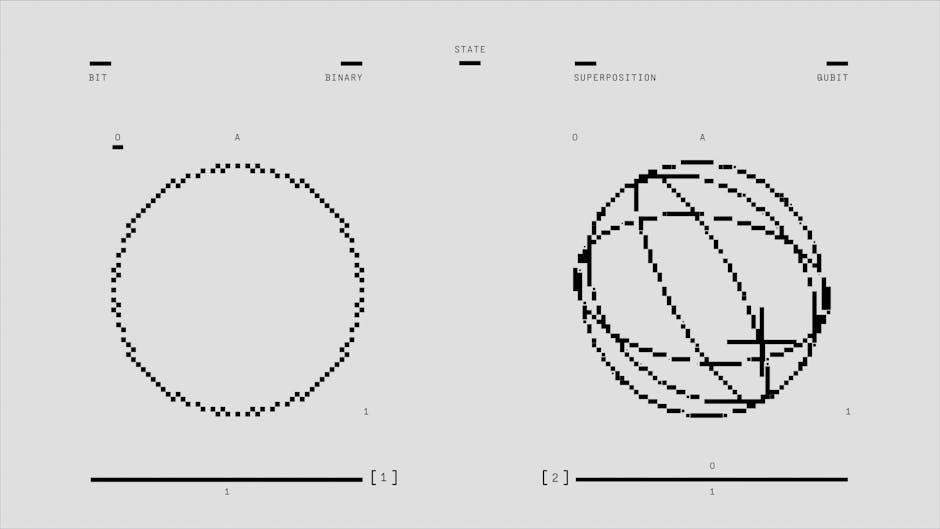
Technical Analysis Visualization
Light-emitting diodes (LEDs) have long been the gold standard for energy-efficient lighting and display technology. However, despite their ubiquity, traditional gallium nitride-based LEDs face physical limitations, primarily regarding production costs and color purity. The latest scientific breakthrough in Perovskite LEDs (PeLED) is now poised to overcome these obstacles, signaling a paradigm shift in the way we light the world.
Overcoming the 'Efficiency Gap'
For years, researchers have struggled with the stability and longevity of perovskite materials. Although these materials offer the potential for much higher efficiency and simpler manufacturing compared to traditional silicon or gallium-based semiconductors, they often degrade rapidly due to operational stress. The recent breakthrough involves a new molecular 'buffer layer' that prevents energy loss and stabilizes the perovskite crystal structure.
This innovation allows LEDs to maintain peak brightness for much longer periods of time without the traditional efficiency 'dip' that plagued previous iterations of the technology. By mitigating non-radiative recombination—a process in which electrons dissipate energy as heat instead of light—scientists have achieved internal quantum efficiencies that rival today's commercial OLEDs.
Impact on Consumer Electronics and Sustainability
The implications of this discovery are very broad. Because perovskite materials can be processed from solution (similar to printing or coating), the cost of manufacturing high-end displays can be drastically reduced. Key benefits include:
- Superior Color Accuracy: PeLED produces a much narrower emission spectrum, resulting in clearer and more accurate colors on displays.
- Reduces Carbon Footprint: The low-temperature manufacturing process requires far less energy than the high-heat vacuum deposition used in traditional LEDs.
- Flexibility: The thin film nature of this material makes it ideal for next-generation foldable and wearable technologies.
The Road to Commercialization
While the laboratory results are groundbreaking, the industry is now looking for scalability. The transition from a controlled laboratory environment to mass production requires further testing of environmental durability—specifically resistance to moisture and heat. However, with this latest breakthrough, the timeline for commercial-grade perovskite displays has moved from a distant possibility to a near-term reality. As the technology continues to mature, we can expect a new era of high-definition lighting that is highly efficient, cheaper to produce and better for the planet.
Sponsored

Lanjutkan dengan SEO Page Audit
Audit teknis SEO untuk URL yang kamu analisis.