Innovation Convergence: Analyzing 9 Transformative Scientific Breakthroughs Shaping the Future of Technology
VeloTechna Editorial
Observed on Jan 01, 2026

Technical Analysis Visualization
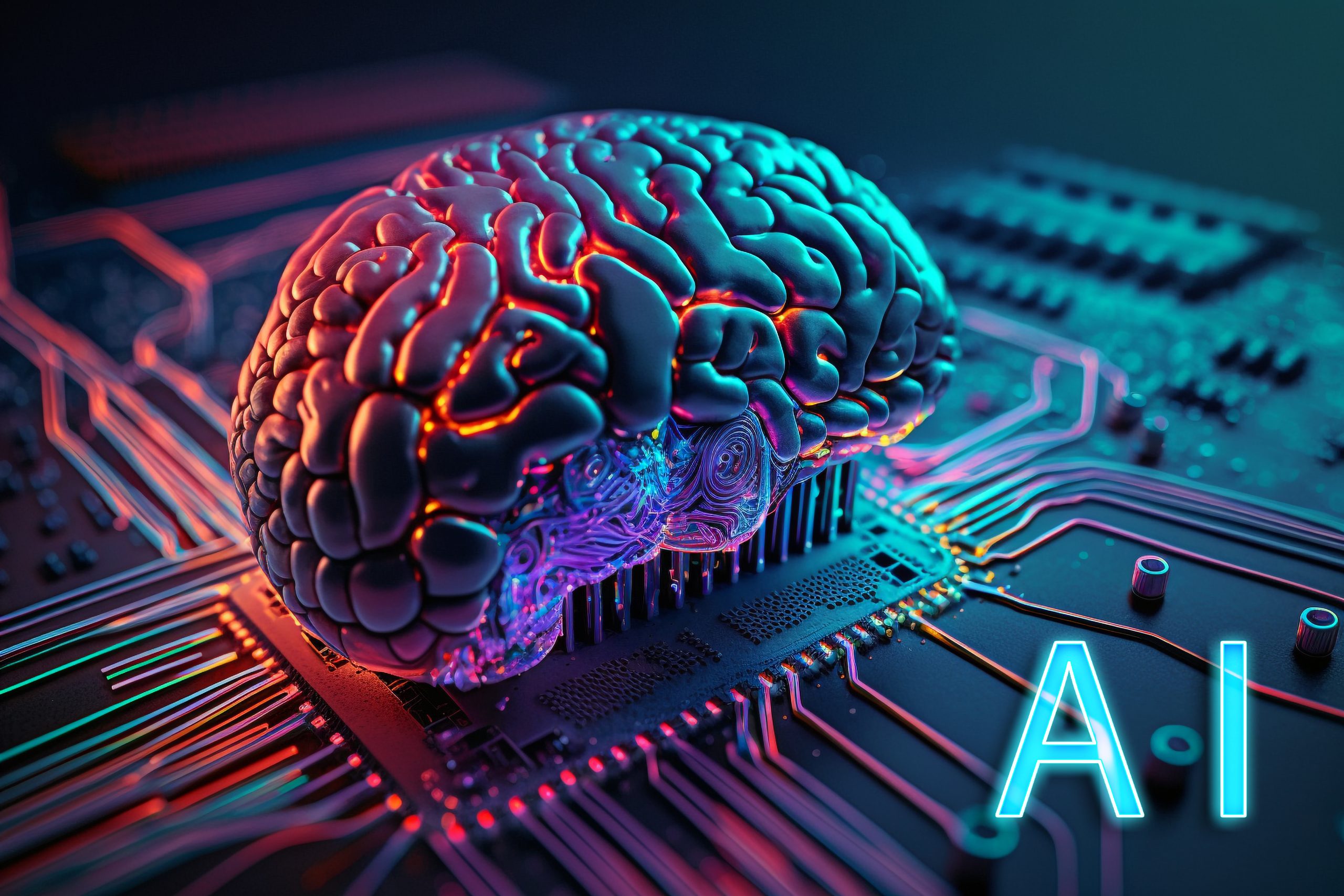
The modern science landscape is currently experiencing a period of exponential acceleration, characterized by the convergence of deep learning, molecular biology, and high-energy physics. When these disciplines intersect, they produce breakthroughs that promise to redefine our industrial and biological paradigms. Here, we analyze nine important scientific achievements that represent the limits of today's technological progress.
1. AI-Based Proteomics and AlphaFold Expansion: The integration of artificial intelligence into biological research has reached new heights. By predicting the 3D structure of almost all known proteins, AI has effectively shortened decades of laboratory work to a few months. This leap catalyzed a new era of targeted drug discovery and synthetic biology, allowing engineers to design enzymes that can break down plastic or neutralize toxins.
2. Achieving Net Energy Gain in Nuclear Fusion: For the first time, researchers achieved the 'burning plasma' state, which results in net energy gain in a fusion reaction. This milestone, achieved through inertial confinement fusion, marks a pivot point from theoretical physics to practical engineering, bringing the prospect of carbon-free, limitless energy closer to the power grid.
3. Advanced Spectroscopy and Space Observations: The use of new generations of space telescopes has resulted in unprecedented resolution of the early universe. By utilizing infrared spectroscopy, scientists can now analyze the composition of exoplanet atmospheres, identifying chemical signatures that could indicate the presence of water or biological precursors.
4. Clinical Validation of CRISPR Gene Editing: Gene editing technology has moved from the experimental laboratory to clinical reality. With the first regulatory approval for a CRISPR-based therapy to treat blood disorders, the industry has proven that precision genome modification is a viable pathway to curing previously intractable genetic diseases.
5. Advances in Brain-Computer Interfaces (BCI): Recent trials in neural engineering have demonstrated the ability to decode internal speech and motor intentions with high accuracy. Through high-density electrode arrays and advanced signal processing, BCI technology restores communication for paralyzed individuals, heralding a future where human cognition and digital systems can be seamlessly interconnected.
6. Error Correction in Quantum Computing: The transition from Noisy Intermediate-Scale Quantum (NISQ) devices to error-tolerant quantum computers is underway. Breakthroughs in logical qubit error correction have significantly extended coherence times, bringing the industry closer to solving cryptography and materials science problems that were computationally impossible on classical hardware.
7. Commercialization of Solid-State Batteries: The shift towards solid-state electrolytes represents the next evolution in energy storage. By replacing liquid electrolytes with solid fluids, manufacturers achieve higher energy densities and better safety profiles, effectively overcoming key obstacles to the electric vehicle (EV) revolution.
8. Scaling Direct Air Capture (DAC) Technology: As the climate crisis worsens, engineered solutions for carbon sequestration have reached industrial scale. The new DAC facility is now capable of capturing atmospheric CO2 and storing it underground or converting it into sustainable aviation fuel, thus demonstrating a scalable model of atmospheric restoration.
9. The Rise of Xenotransplantation: Utilizing CRISPR to 'humanize' animal organs, researchers have successfully conducted several pig-to-human transplant experiments. This breakthrough in immunology and genetic engineering offers a potential solution to the global organ shortage, turning the concept of biologically produced replacements into a clinical possibility.
Conclusion: These nine breakthroughs underscore a fundamental shift in our technological capabilities. A common thread among these innovations is the application of advanced computing to the physical sciences, indicating that the most significant innovations of the next decade will not emerge from silos, but from the cross-pollination of various scientific fields.
Sponsored

Lanjutkan dengan SEO Page Audit
Audit teknis SEO untuk URL yang kamu analisis.