Market Turbulence: Outlining the Bitcoin and Ether Correction and Strategic Outlook for 2026
VeloTechna Editorial
Observed on Feb 01, 2026

Technical Analysis Visualization
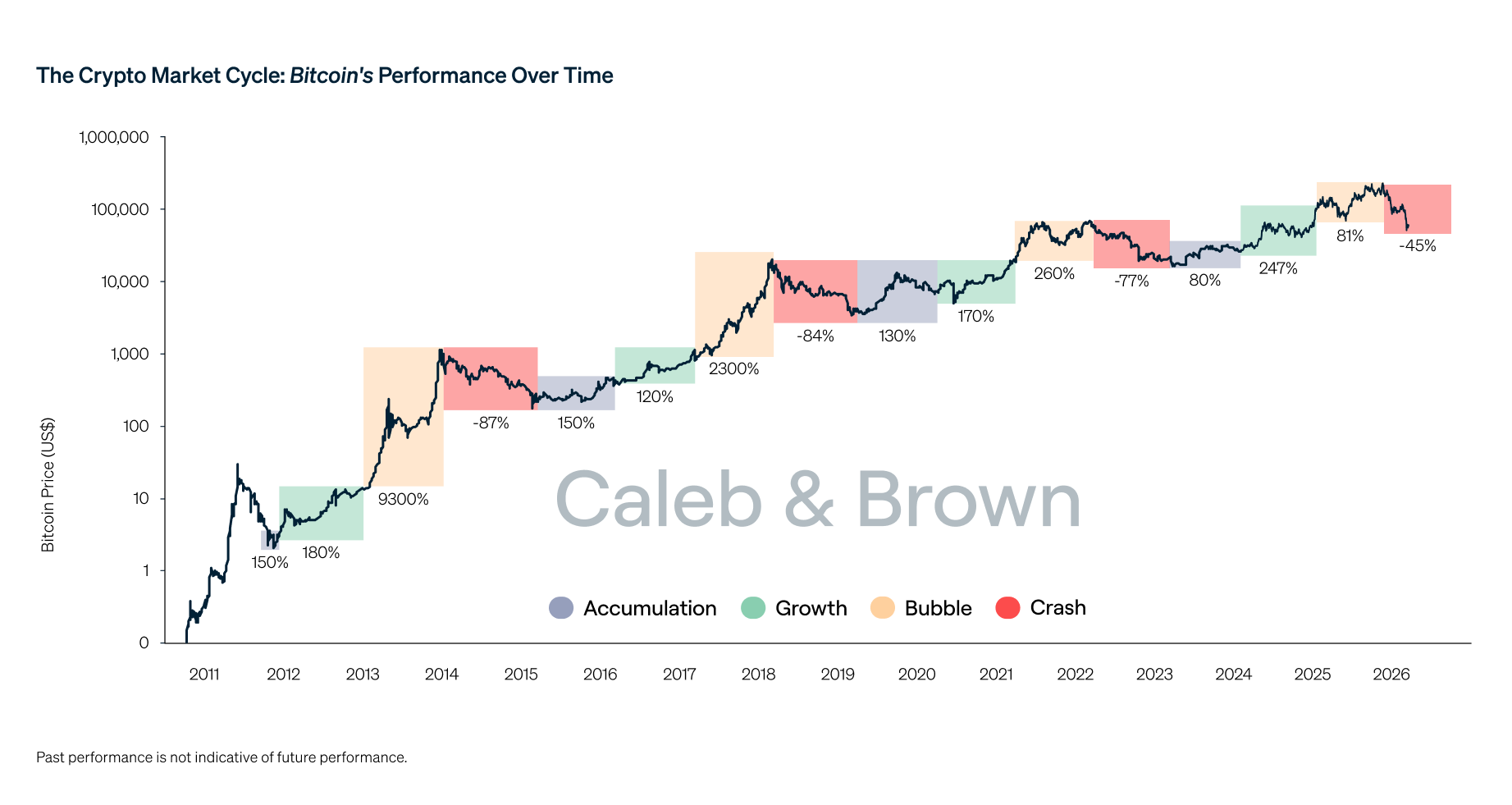
DATELINE: VELOTECHNA, Silicon Valley - The cryptocurrency landscape has been put into a period of intense scrutiny following a significant market correction that has seen stalwarts of the industry, Bitcoin and Ether, suffered sharp valuation pullbacks. According to a report from The Economic Times, this sudden weakness has led investors to question the stability of digital assets, while shifting the conversation towards long-term viability and identifying the 'best' assets to own as we approach the 2026 fiscal horizon.
Crash Catalysts: An Introduction
The current volatility is not just a local event but is a reflection of broader macroeconomic pressures and internal market dynamics. According to a report from The Economic Times, the fall in Bitcoin and Ether prices has been exacerbated by a combination of institutional liquidations and shifting global risk appetite. Although Bitcoin has historically been seen as a hedge against inflation, its recent correlation with high-growth technology stocks has made it vulnerable to the same headwinds affecting the Nasdaq and other traditional indexes. This correction is a reminder that despite the maturity of the asset class, the path to mainstream integration is still fraught with volatility.
Read More:
Facebook
Technical Analysis: Support and Liquidation Levels Cascades
From a technical point of view, the decline of Bitcoin (BTC) and Ether (ETH) can be associated with the violation of critical support levels. Analysts monitoring the data noted that when Bitcoin fell below the psychological threshold of $60,000, it triggered a series of stop-loss orders and liquidated long leveraged positions. According to a report from The Economic Times, this 'liquidation cascade' effectively removes speculative excess from the market, thereby leading to a rapid, albeit painful, phase of price discovery.
Ether, the backbone of the decentralized finance (DeFi) ecosystem, is facing similar pressures. The transition to proof-of-stake and subsequent updates have improved network efficiency, but the asset remains sensitive to broader outflows in the DeFi sector. Technical analysis shows that while current lows are being tested, the RSI (Relative Strength Index) indicates that both major assets have entered 'oversold' territory, which historically precedes a period of consolidation or relief rally.
Industry Impact: Beyond the Price Ticker
The impact of this crash goes far beyond retail investors' portfolios. In the corridors of Silicon Valley, the focus has shifted to how this volatility affects the development of Web3 infrastructure. According to a report from The Economic Times, this downturn has caused a temporary cooling in the venture capital environment, resulting in investors becoming smarter in choosing the projects they fund. However, this winter's light phase of 'crypto is also seen by industry veterans as a necessary cleanup of the ecosystem, allowing projects with genuine utility to rise above the noise of meme-based speculation.
Institutional players, including large ETFs and asset managers, have also been affected. reportedly used this downturn to reevaluate their entry points. The 'digital gold' narrative is being tested, but the underlying blockchain technology continues to see integration in supply chain management, cross-border payments, and digital identity verification, indicating that industry fundamentals remain intact despite price action.
It looks like we're seeing things this. Towards 2026: Best Cryptos to Invest In?
As the market stabilizes, the focus is turning to 2026. According to a report from The Economic Times, identifying the best cryptocurrencies for 2026 requires a shift from pure speculation towards 'value-based' crypto investing. While Bitcoin remains the primary choice for capital preservation in the digital space, Ether's role in the smart contract economy makes it a perennial contender for long-term growth.
However, emerging sectors are gaining significant attention. Experts quoted in the report indicate that Layer 2 scaling solutions and projects focused on Real World Asset (RWA) tokenization will likely lead the next bull cycle. By 2026, the regulatory landscape in the United States and the EU is expected to be clearer, providing the 'clear foundation' needed for institutional capital to fully commit to the space.
VELOTECHNA's Future Forecast
Based on data provided by The Economic Times and current market trends, VELOTECHNA estimates that the period between the end of 2024 and 2026 will be characterized by 'Institutionalization'. Ripening.' We anticipate that the volatility seen in the current crisis will decrease as financial instruments become more sophisticated and regulatory frameworks clearer. The 'best' crypto in 2026 will likely be one that bridges the gap between traditional finance and decentralized protocols.
In conclusion, although the current plunge in Bitcoin and Ether has caused immediate stress, it represents a standard, albeit aggressive, cycle in the evolution of digital finance. Investors who can look past the structural changes of 2026 will probably recognize that this period of instability is the beginning of a more resilient and integrated digital economy.
Sponsored

Lanjutkan dengan Word Counter
Ukur kepadatan konten analisis dan reading time.