Silicon Renaissance: How AI-Native Architectures Are Redefining the Global Computing Paradigm
VeloTechna Editorial
Observed on Jan 30, 2026

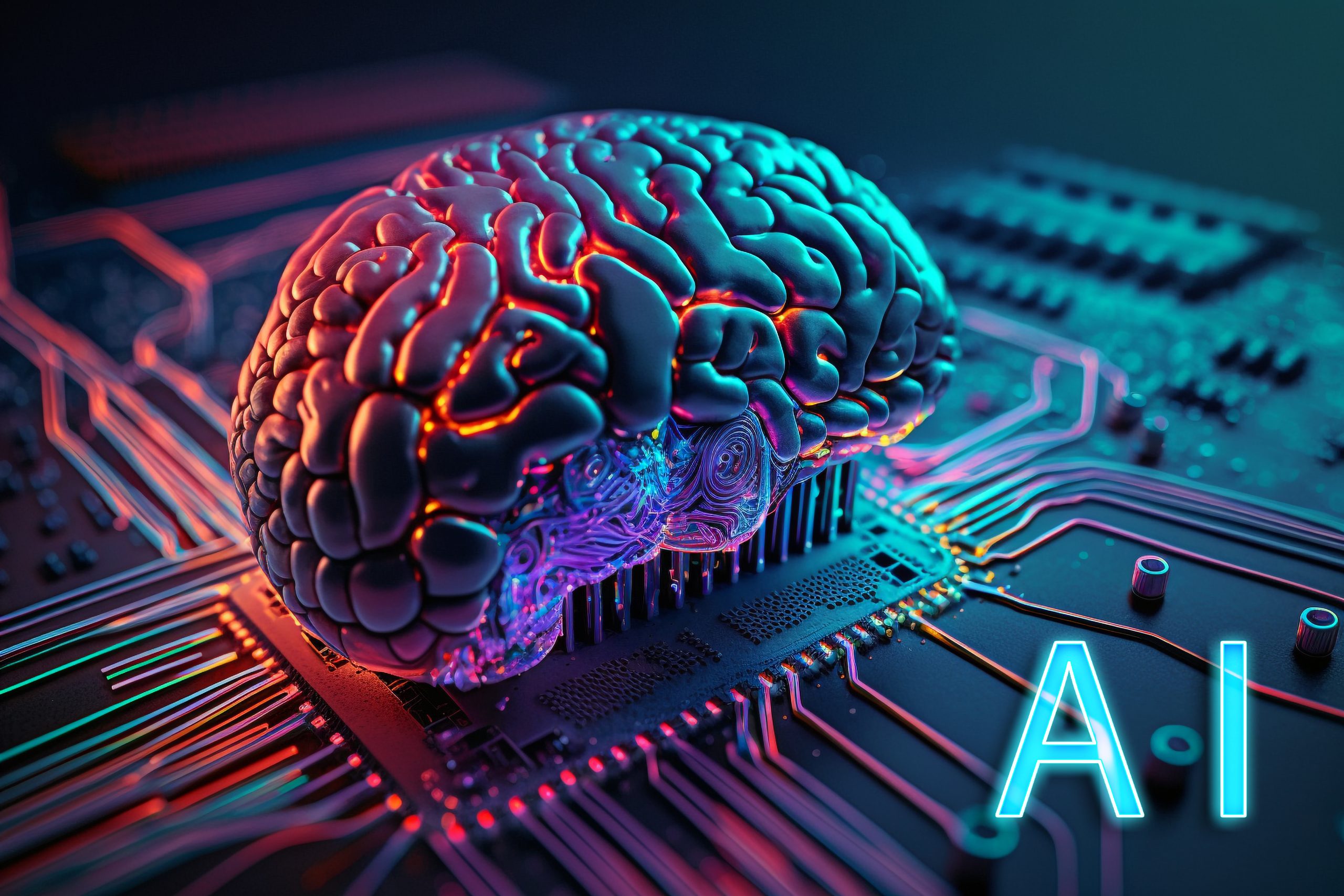
Technical Analysis Visualization
VELOTECHNA, Palo Alto - The global technology sector is currently undergoing its most significant architectural change since the transition from desktop computing to a mobile-first ecosystem. This transition is not just a gradual increase in processing speed, it is also a fundamental reorganization of how hardware and software interact. As demand for generative artificial intelligence (AI) continues to outpace current infrastructure, the industry is seeing a shift to AI-based custom silicon that threatens to upend the traditional hierarchy of chip manufacturers. contextualized by recent industry movements seen in Source, highlighting an important reality: General Purpose CPUs (Central Processing Units) is no longer the sole protagonist in the computing narrative. Instead, we are entering the era of specialized Neural Processing Units (NPUs) and Tensor Cores.
Read More:
Software
Specialization Mechanisms Computing
At the heart of this evolution is the transition from serial processing to massively parallel processing. The traditional x86 architecture, although versatile, is fundamentally inefficient at handling the matrix multiplications required for Large Language Models (LLM). New silicon era mechanisms focus onheterogeneous computing, where specialized engines handle specific AI workloads while CPUs manage general tasks. This approach reduces latency and, perhaps more importantly, power consumption—a major bottleneck for modern data centers. We are seeing the death of 'one size fits all' chips and the birth of application-specific integrated circuits (ASICs) designed for transformer-based architectures.
The Strategic Pivot of Major Players
The competitive landscape is no longer limited to the traditional 'Big Three' Intel, AMD and Nvidia. Although Nvidia remained the dominant force with the H100 and the subsequent Blackwell architecture, the 'Hyperscaler'—Amazon (Azure)—has begun designing its own silicon. By making chips like Google's TPU or Amazon's Trainium, these companies seek to separate their operational costs from Nvidia's supply chain. Meanwhile, Apple has successfully integrated NPU capabilities across its product line through its M series chips, effectively moving the 'AI laboratory' from the cloud directly into users' pockets.
Market Reaction and Economic Implications
The market reaction to this silicon arms race has been highly volatile. Investors are currently grappling with the 'AI Premium', where companies that demonstrate vertical integration of AI hardware and software command much higher valuations. However, there is growing skepticism regarding the return on investment (ROI) of massive capital expenditures on data center hardware. Current market data shows a 'wait and see' approach from enterprise buyers who are hesitant to commit to multi-billion dollar infrastructure projects until the software layer (the actual AI application) proves its long-term benefits. This has created a bifurcated market: soaring valuations for chip designers and cautious, sideways movement for software companies trying to capitalize.
Impact & Forecast: 24 Month Horizon
In the next 24 months, we predict two major trends that will define the technology industry. First, we'll look at AI localization. 'Cloud-Only' AI models are not sustainable due to bandwidth and privacy issues. By mid-2025, we expect a surge in 'AI PCs' and smartphones equipped with 40+ NPU TOPS (Trillions of Operations Per Second), allowing complex LLMs to be run locally without an internet connection. Second, we anticipate supply chain diversification. As geopolitical tensions surrounding TSMC continue, expect a major push towards domestic fabrication in the US and Europe, although this transition will be fraught with throughput rate challenges and high labor costs.
By 2026, the distinction between 'AI hardware' and 'standard hardware' will have effectively disappeared. AI acceleration will become a basic requirement for any computing device, just as Wi-Fi connectivity is today. Companies that fail to master custom silicon integration in this period will likely be relegated to the legacy category of the previous decade.
Conclusion
Today's technological inflection points are as much about physics and power as they are about algorithms. As VELOTECHNA continues to monitor these developments, it is clear that the winners of the next decade will not be those who build the fastest chips, but those who build the most efficient ecosystems. The silicon renaissance has arrived, and it is rewriting the rules of global computing. The transition from a general purpose architecture to a native AI architecture is an irreversible change and will change everything from consumer electronics to global geopolitics.
Sponsored

Lanjutkan dengan JSON Tools
Format dan validasi payload dengan cepat.