Silicon Renaissance: Bagaimana Arsitektur AI-Native Mendefinisikan Ulang Paradigma Komputasi Global
VeloTechna Editorial
Observed on Jan 30, 2026
Technical Analysis Visualization
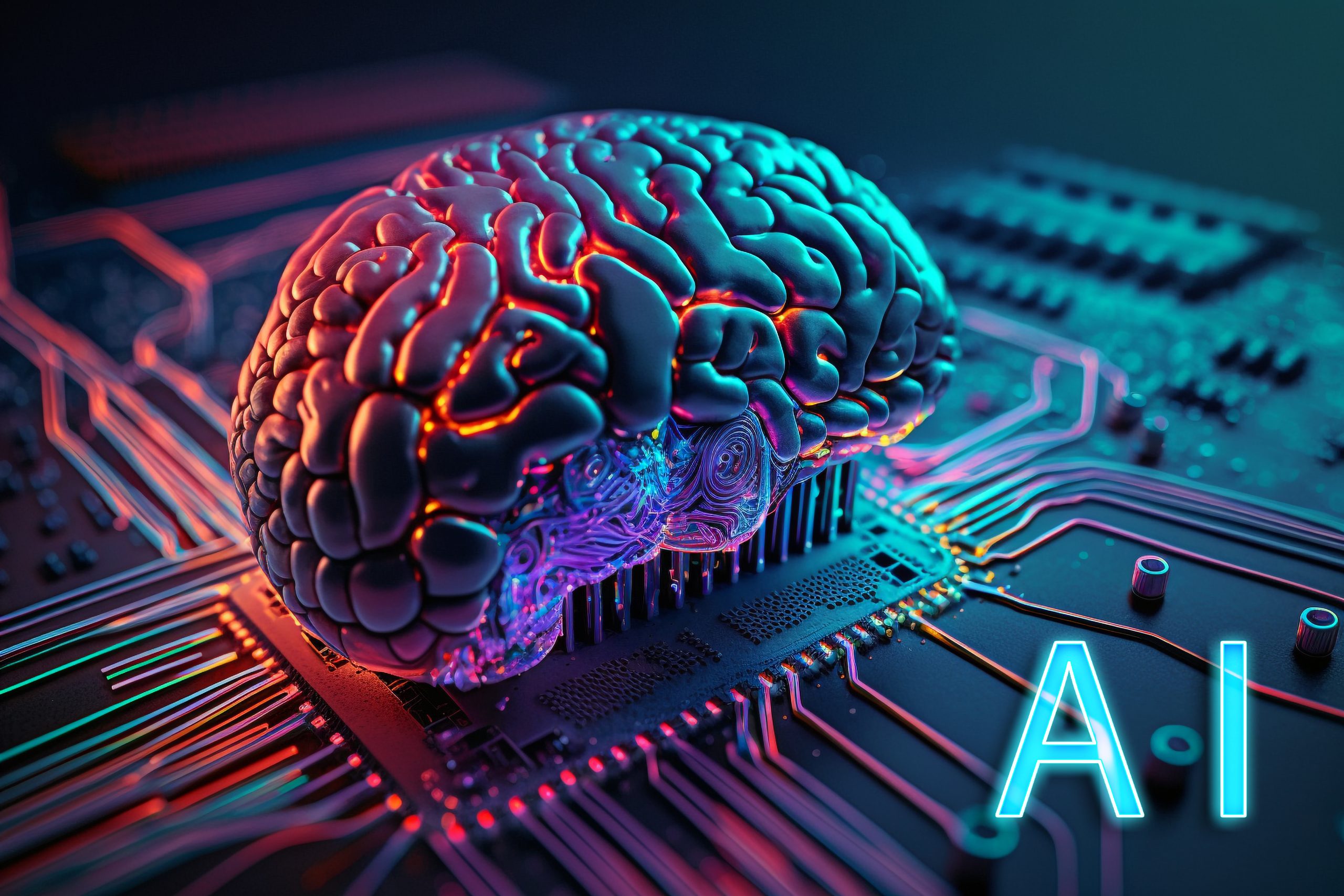
VELOTECHNA, Palo Alto - Sektor teknologi global saat ini sedang menjalani perubahan arsitektur paling signifikan sejak transisi dari komputasi desktop ke ekosistem yang mengutamakan seluler. Transisi ini bukan sekadar peningkatan bertahap dalam kecepatan pemrosesan, namun juga merupakan penataan ulang mendasar tentang cara perangkat keras dan perangkat lunak berinteraksi. Karena permintaan akan kecerdasan buatan (AI) generatif terus melampaui infrastruktur yang ada saat ini, industri ini menyaksikan peralihan ke silikon khusus yang berbasis AI yang mengancam akan menjungkirbalikkan hierarki tradisional produsen chip.
Pergeseran seismik ini, dikontekstualisasikan oleh pergerakan industri terkini yang terlihat pada Sumber, menyoroti kenyataan penting: CPU Tujuan Umum (Central Processing Unit) tidak lagi menjadi satu-satunya protagonis dalam narasi komputasi. Sebaliknya, kita sedang memasuki era Neural Processing Unit (NPU) dan Tensor Core khusus.
Baca Selengkapnya:
Perangkat Lunak
Mekanisme Spesialisasi Komputasi
Inti dari evolusi ini adalah transisi dari pemrosesan serial ke pemrosesan paralel secara masif. Arsitektur x86 tradisional, meskipun serbaguna, pada dasarnya tidak efisien dalam menangani perkalian matriks yang diperlukan untuk Model Bahasa Besar (LLM). Mekanisme era silikon baru berfokus pada komputasi heterogen, di mana mesin khusus menangani beban kerja AI tertentu sementara CPU mengelola tugas-tugas umum. Pendekatan ini mengurangi latensi dan, mungkin yang lebih penting, konsumsi daya—yang merupakan hambatan utama bagi pusat data modern. Kita melihat matinya chip 'satu ukuran untuk semua' dan lahirnya sirkuit terintegrasi khusus aplikasi (ASIC) yang dirancang untuk arsitektur berbasis transformator.
Poros Strategis Para Pemain Utama
Lanskap kompetitif tidak lagi terbatas pada 'Tiga Besar' tradisional Intel, AMD, dan Nvidia. Meskipun Nvidia tetap menjadi kekuatan dominan dengan H100 dan arsitektur Blackwell berikutnya, 'Hyperscaler'—Amazon (Azure)—telah mulai merancang silikon miliknya sendiri. Dengan membuat chip seperti TPU Google atau Trainium Amazon, perusahaan-perusahaan ini berupaya memisahkan biaya operasional mereka dari rantai pasokan Nvidia. Sementara itu, Apple telah berhasil mengintegrasikan kemampuan NPU di seluruh lini produknya melalui chip seri M, yang secara efektif memindahkan 'laboratorium AI' dari cloud langsung ke kantong pengguna.
Reaksi Pasar dan Implikasi Ekonomi
Reaksi pasar terhadap perlombaan senjata silikon ini sangat fluktuatif. Investor saat ini sedang bergulat dengan 'AI Premium', di mana perusahaan yang menunjukkan integrasi vertikal perangkat keras dan perangkat lunak AI mendapatkan valuasi yang jauh lebih tinggi. Namun, terdapat skeptisisme yang berkembang mengenai laba atas investasi (ROI) dari belanja modal besar-besaran pada perangkat keras pusat data. Data pasar saat ini menunjukkan pendekatan 'tunggu dan lihat' dari pembeli perusahaan yang ragu untuk berkomitmen pada proyek infrastruktur bernilai miliaran dolar sampai lapisan perangkat lunak (aplikasi AI sebenarnya) membuktikan keuntungan jangka panjangnya. Hal ini telah menciptakan pasar yang terbagi dua: melonjaknya penilaian bagi para perancang chip dan pergerakan yang hati-hati dan menyamping bagi perusahaan perangkat lunak yang mencoba memanfaatkannya.
Dampak & Perkiraan: Cakrawala 24 Bulan
Dalam 24 bulan ke depan, kami memperkirakan dua tren utama yang akan menentukan industri teknologi. Pertama, kita akan melihat lokalisasi AI. Model AI 'Cloud-Only' tidak berkelanjutan karena masalah bandwidth dan privasi. Pada pertengahan tahun 2025, kami memperkirakan akan terjadi lonjakan 'PC AI' dan ponsel pintar yang dilengkapi dengan 40+ NPU TOPS (Triliunan Operasi Per Detik), yang memungkinkan LLM kompleks dijalankan secara lokal tanpa koneksi internet. Kedua, kami mengantisipasi diversifikasi rantai pasokan. Ketika ketegangan geopolitik seputar TSMC terus berlanjut, diperkirakan akan terjadi dorongan besar-besaran terhadap fabrikasi domestik di AS dan Eropa, meskipun transisi ini akan penuh dengan tantangan tingkat hasil dan biaya tenaga kerja yang tinggi.
Pada tahun 2026, perbedaan antara 'perangkat keras AI' dan 'perangkat keras standar' akan hilang secara efektif. Akselerasi AI akan menjadi persyaratan dasar untuk perangkat komputasi apa pun, seperti halnya konektivitas Wi-Fi saat ini. Perusahaan yang gagal menguasai integrasi silikon khusus dalam periode ini kemungkinan besar akan terdegradasi ke kategori warisan dekade sebelumnya.
Kesimpulan
Titik perubahan teknologi saat ini adalah soal fisika dan kekuatan dan juga algoritma. Ketika VELOTECHNA terus memantau perkembangan ini, jelas bahwa pemenang dekade berikutnya bukanlah mereka yang membuat chip tercepat, namun mereka yang membangun ekosistem paling efisien. Kebangkitan silikon telah tiba, dan ia sedang menulis ulang aturan komputasi global. Transisi dari arsitektur tujuan umum ke arsitektur asli AI adalah perubahan yang tidak dapat diubah dan akan mengubah segalanya mulai dari elektronik konsumen hingga geopolitik global.
Sponsored

Lanjutkan dengan JSON Tools
Format dan validasi payload dengan cepat.