Hegemoni Silikon: Menguraikan Supercycle Infrastruktur AI
VeloTechna Editorial
Observed on Jan 15, 2026
Technical Analysis Visualization
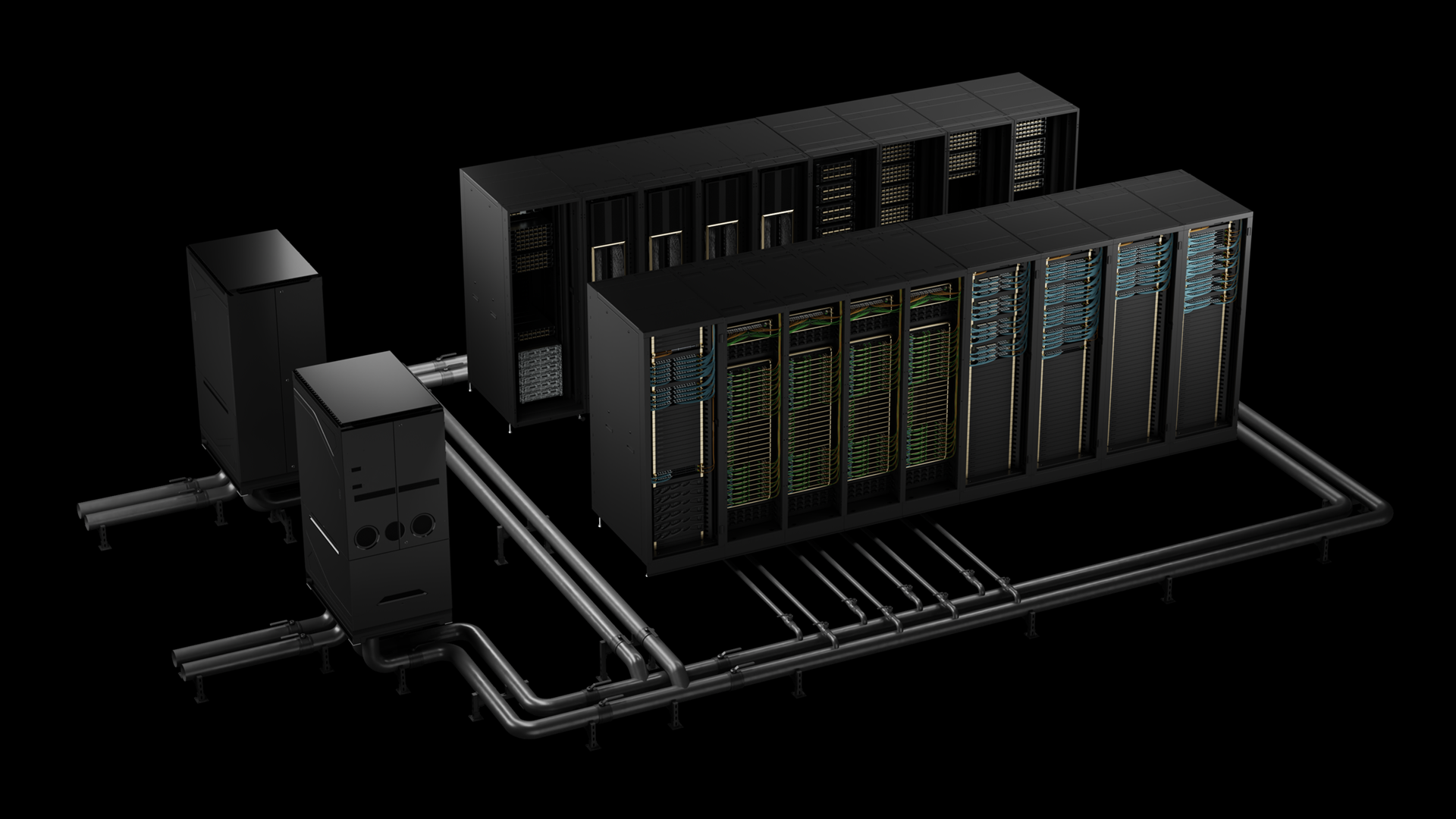
VELOTECHNA, Silicon Valley - Di era transformasi digital saat ini, arsitektur perdagangan global sedang ditulis ulang bukan dalam kode, namun dalam silikon. Lanskap teknologi global saat ini sedang mengalami pergeseran besar, transisi dari komputasi tujuan umum ke era yang ditentukan oleh percepatan pemrosesan dan kecerdasan generatif. Transisi ini bukan sekadar peningkatan bertahap namun merupakan konfigurasi ulang total rantai pasokan global, seperti yang disoroti dalam laporan industri baru-baru ini mengenai dominasi modul komputasi berkinerja tinggi dan manuver strategis raksasa semikonduktor. Menurut sumber terbaru, konsentrasi kekuatan dalam sektor perangkat keras AI telah mencapai ambang batas kritis, memaksa negara-negara hiperskaler dan negara-negara berdaulat untuk memikirkan kembali kedaulatan digital jangka panjang mereka.
Mekanisme Kemacetan Perangkat Keras
Mekanisme teknis yang menggerakkan supercycle ini berakar pada persyaratan khusus Model Bahasa Besar (LLM). Berbeda dengan arsitektur tradisional yang berpusat pada CPU yang menangani tugas-tugas berurutan, era AI menuntut kemampuan pemrosesan paralel yang hanya dapat disediakan oleh GPU kelas atas dan ASIC (Sirkuit Terpadu Khusus Aplikasi) khusus. Analis VELOTECHNA telah mengamati bahwa kelangkaan kapasitas pengemasan High Bandwidth Memory (HBM3) dan CoWoS (Chip-on-Wafer-on-Substrate) telah menciptakan hambatan yang melampaui proses manufaktur sederhana. Ini adalah kebuntuan logistik dimana permintaan saat ini melebihi pasokan dengan faktor hampir tiga banding satu. Kendala mekanis ini telah mengubah silikon menjadi 'emas digital', yang mana kemampuan untuk mengamankan peta jalan pengadaan sama berharganya dengan kekayaan intelektual perangkat lunak yang sedang dikembangkan.
Pemain Utama dan Pencarian Silikon Khusus
Meskipun NVIDIA tetap menjadi raksasa industri yang tak terbantahkan, mengendalikan sebagian besar pusat data Pasar GPU, lanskap persaingan semakin beragam. Pemain utamanya bukan lagi hanya perancang chip seperti AMD dan Intel, namun juga konsumen skala besar itu sendiri. Google, Amazon, dan Microsoft secara agresif beralih ke silikon khusus—TPU, Trainium, dan Maia—untuk mengurangi ketergantungan mereka pada vendor eksternal dan mengoptimalkan beban kerja spesifik mereka. 'Insourcing' desain perangkat keras ini mewakili perubahan mendasar dalam ekosistem teknologi. Dengan mengontrol tumpukan dari tingkat transistor hingga API, raksasa-raksasa ini membangun parit yang semakin menyulitkan startup yang lebih kecil untuk menjembatani, sehingga menciptakan pasar yang terbagi dua yaitu 'yang punya komputasi' dan 'yang tidak punya komputasi.'
Reaksi Pasar dan Penataan Kembali Modal
Reaksi pasar terhadap perubahan ini sungguh luar biasa. Kita telah menyaksikan realokasi modal secara besar-besaran dari usaha software-as-a-service (SaaS) menuju investasi infrastruktur. Investor institusional tidak lagi puas dengan margin yang tinggi saja; mereka meneliti 'ketahanan komputasi' perusahaan. Penilaian perusahaan-perusahaan yang memiliki akses aman ke chip kelas Blackwell atau perjanjian fabrikasi kepemilikan telah meroket, sementara perusahaan-perusahaan yang bergantung pada infrastruktur cloud lama mengalami penurunan kelipatan mereka. Penyelarasan ini menunjukkan bahwa pasar kini memandang perangkat keras AI bukan sebagai pengeluaran komoditas, namun sebagai aset strategis yang sebanding dengan cadangan minyak di abad ke-20.
Dampak dan Prakiraan Analitik Dua Tahun
Ke depan, VELOTECHNA memperkirakan evolusi dua fase selama 24 bulan ke depan. Pada tahun pertama, kami mengharapkan 'Normalisasi Kelangkaan'. Ketika fasilitas fabrikasi baru mulai beroperasi dan teknik pengemasan berkembang, kekurangan pasokan yang ekstrem akan mulai berkurang. Namun, hal ini tidak akan menyebabkan penurunan harga; sebaliknya, hal ini akan menyebabkan lonjakan penerapan 'Edge AI'. Kami memperkirakan fokusnya akan beralih dari klaster pelatihan terpusat yang besar ke perangkat keras inferensi terlokalisasi dan berefisiensi tinggi yang terintegrasi langsung ke perangkat konsumen dan node IoT industri.
Pada akhir tahun kedua, industri ini kemungkinan akan menghadapi 'Perhitungan Efisiensi'. Ketika hype awal seputar model generatif semakin matang, fokusnya akan beralih dari daya mentah ke kinerja per watt. Pemenang dari fase ini adalah mereka yang dapat memberikan solusi komputasi yang berkelanjutan dan hemat energi. Kami mengantisipasi bahwa total pasar silikon yang dioptimalkan untuk AI akan tumbuh sebesar 35% pada tahun 2026, sebagian besar didorong oleh integrasi AI ke dalam sektor manufaktur tradisional dan layanan kesehatan, yang saat ini masih dalam tahap uji coba penerapannya.
Kesimpulan
Hegemoni silikon lebih dari sekadar perlombaan korporasi; ini adalah fondasi revolusi industri berikutnya. Ketika daya komputasi menjadi pendorong utama produktivitas ekonomi, kepentingan strategis rantai pasokan semikonduktor akan semakin meningkat. Bagi para pemimpin dan investor, pesannya jelas: di era kecerdasan, perangkat keras adalah strateginya. Mereka yang gagal mengamankan tempatnya dalam hierarki silikon berisiko dianggap ketinggalan zaman karena algoritma yang ingin mereka terapkan. VELOTECHNA akan terus memantau perkembangan ini seiring dengan semakin menghilangnya batasan antara perangkat keras fisik dan perangkat lunak kognitif.
Sponsored

Lanjutkan dengan Word Counter
Ukur kepadatan konten analisis dan reading time.