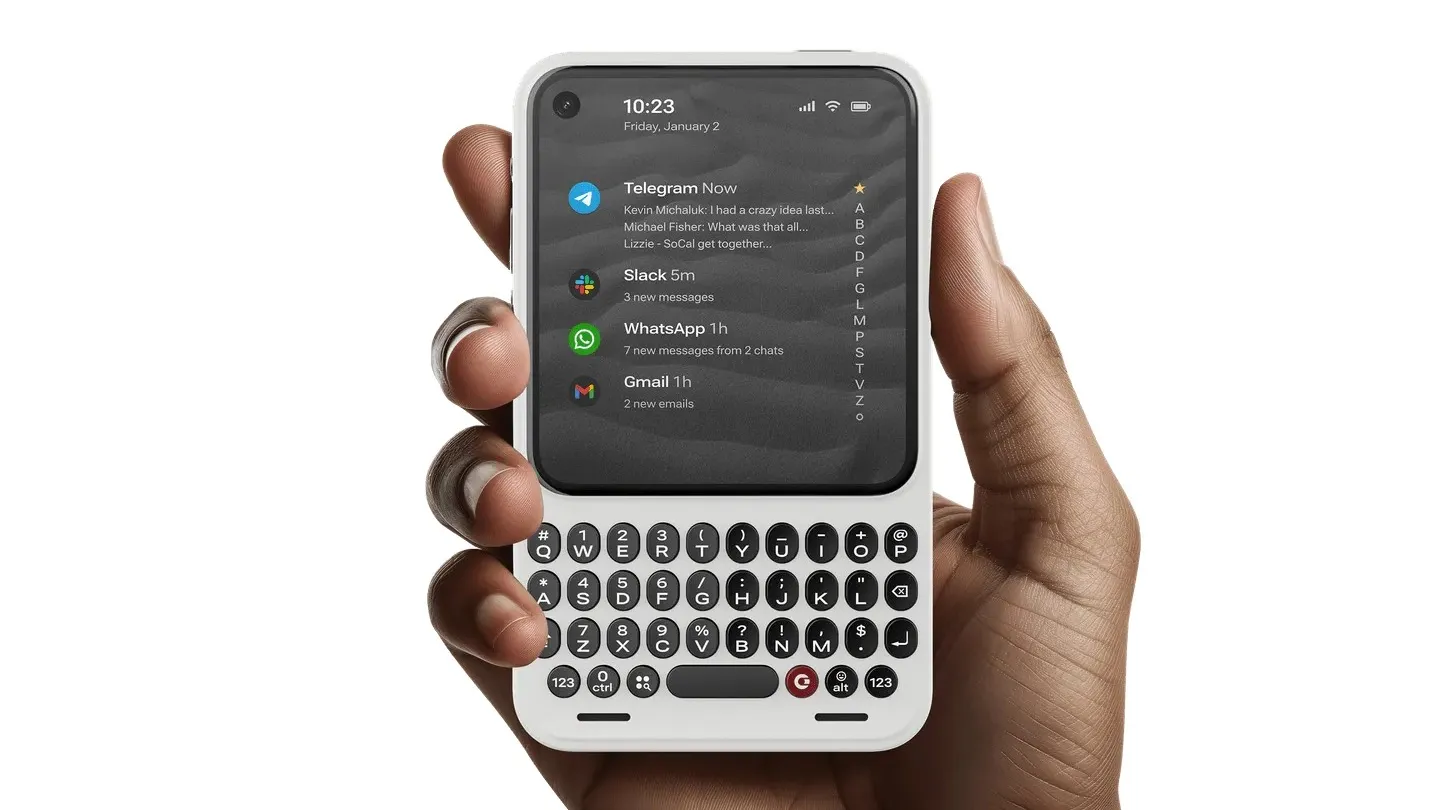
The Post-Smartphone Horizon: Dissecting the Rise and Growth of Ambient AI Hardware
VeloTechna Editorial
Observed on Jan 17, 2026

Technical Analysis Visualization
VELOTECHNA, Silicon Valley - The consumer electronics industry is currently navigating its most significant architectural pivot since the introduction of multi-touch interfaces in 2007. Along with smartphone market reaches terminal velocity, new vanguard of tech entities seeks to separate artificial intelligence from the rectangular slabs of glass that have dominated our pockets for two decades. The transition from screen-centric computing to ambient interaction, voice, and vision represents a fundamental shift in the way human intent is translated into digital action.
This industry-wide metamorphosis is not just a hardware trend, but a reimagining of the operating system itself. Current discourse, fueled by recent developments in the integration of generative AI and wearable device form factors, suggests that the next era of personal computing will be defined by its invisibility. To get a detailed look at the latest developments in this evolution, industry stakeholders are closely monitoring the development of first-generation AI native tools, as highlighted in Source.
Read More:
GPU
The Mechanics of Ambient Integration
At the core of this hardware revolution lies the integration of Large Language Models (LLM) with low-power custom silicon. Unlike traditional smartphones that rely on large libraries of separate apps, these new devices—like AI pins and smart glasses—leverage “Large Action Models” (LAM) or intent-based interfaces. The goal is to eliminate the middleman: the app. Rather than users navigating through three menus to order transportation or send a message, the hardware uses multimodal sensors (camera, microphone, and GPS) to understand the user's context and perform tasks autonomously.
However, the technical challenges remain formidable. Reducing the thermal envelope required for high-speed AI processing while maintaining battery life that can last a standard workday is a hurdle that even the most well-funded startups struggle to overcome. Additionally, the latency between a voice command and an AI response processed in the cloud must fall below 200 milliseconds to feel natural—a benchmark that 5G infrastructure and edge computing are only beginning to consistently support.
Major Players and Competitive Landscape
The market is currently divided into two camps: Disruptors and Incumbents. Disruptors, including startups like Humane and Rabbit, are seeking to build entirely new ecosystems from scratch. Their high-risk, high-reward strategy aims to define the “post-iPhone" aesthetic. They believe that users are tired of screen addiction and are ready for devices that encourage faster living.
In contrast, the incumbents—Apple, Meta, and Google—are taking a modular approach. Meta's collaboration with Ray-Ban has proven that style and brand recognition are just as important as the internal chipset. Apple's Vision Pro, while in a different category, served as a test case for a spatial operating system that would eventually shrink to lightweight glasses. The battle isn't just about hardware specs; what matters is who owns the “AI Agent” that manages users' digital identities across all platforms.
Market Reaction and Utility Gap
The market's initial reaction to these ambient devices has been a mix of admiration for the technology and functional skepticism. Early adopters praised the interface's novelty, but many reviewers pointed out a significant "utility gap." Today, these devices often serve as expensive accessories to a smartphone rather than as a replacement for it. The market is demanding “killer applications” for ambient AI—a use case that is impossible on phones but seamless on wearables.
Investors remain optimistic. While venture capital continues to flow into AI hardware, there is increasing demand for sustainable unit economics and a clear privacy framework. The public is rightfully concerned about "always-on" microphones and cameras; therefore, the winners in this space will be those who can provide hardware-level privacy guarantees without sacrificing the predictive power of AI.
Impact & Forecast: 24 Month Roadmap
Over the next 24 months, we expect a phase of intense consolidation. ByMid 2025, we expect the first “System-on-a-Chip” (SoC) designed specifically for wearable AI to enter the mass market, significantly reducing the thermal and battery constraints that currently plague the industry. This will likely coincide with the launch of Apple's more consumer-friendly wearables and Google's deeper integration of Gemini into the Android wearable ecosystem.
In 2026, the era of “Companion Devices” will end, and the era of “Primary Interfaces” will begin. We anticipate that 15% of high-end smartphone users in developed markets will switch to using wearable AI devices as their primary method of communication and information retrieval for at least 60% of their daily tasks. Smartphones will not disappear, but will be relegated to a secondary role—portable servers or professional-level creative tools, and not the center of the digital world.
Conclusion
The transition to ambient AI hardware is the logical conclusion of the drive toward frictionless technology. While the first generation of these devices has faced its fair share of criticism regarding its performance and requirements, its progress is undeniable. We are moving towards a world where technology no longer demands our full attention through glowing screens, but rather resides on the periphery, ready to help only when called upon. At VELOTECHNA, we view this not as the end of the mobile era, but as the beginning of a truly personal computing era.
Sponsored

Lanjutkan dengan QR Code Generator
Ubah link artikel jadi QR untuk distribusi cepat.