Mobile OS Duopoly: A Technical and Strategic Comparison of Android and iOS
VeloTechna Editorial
Observed on Jan 01, 2026

Technical Analysis Visualization
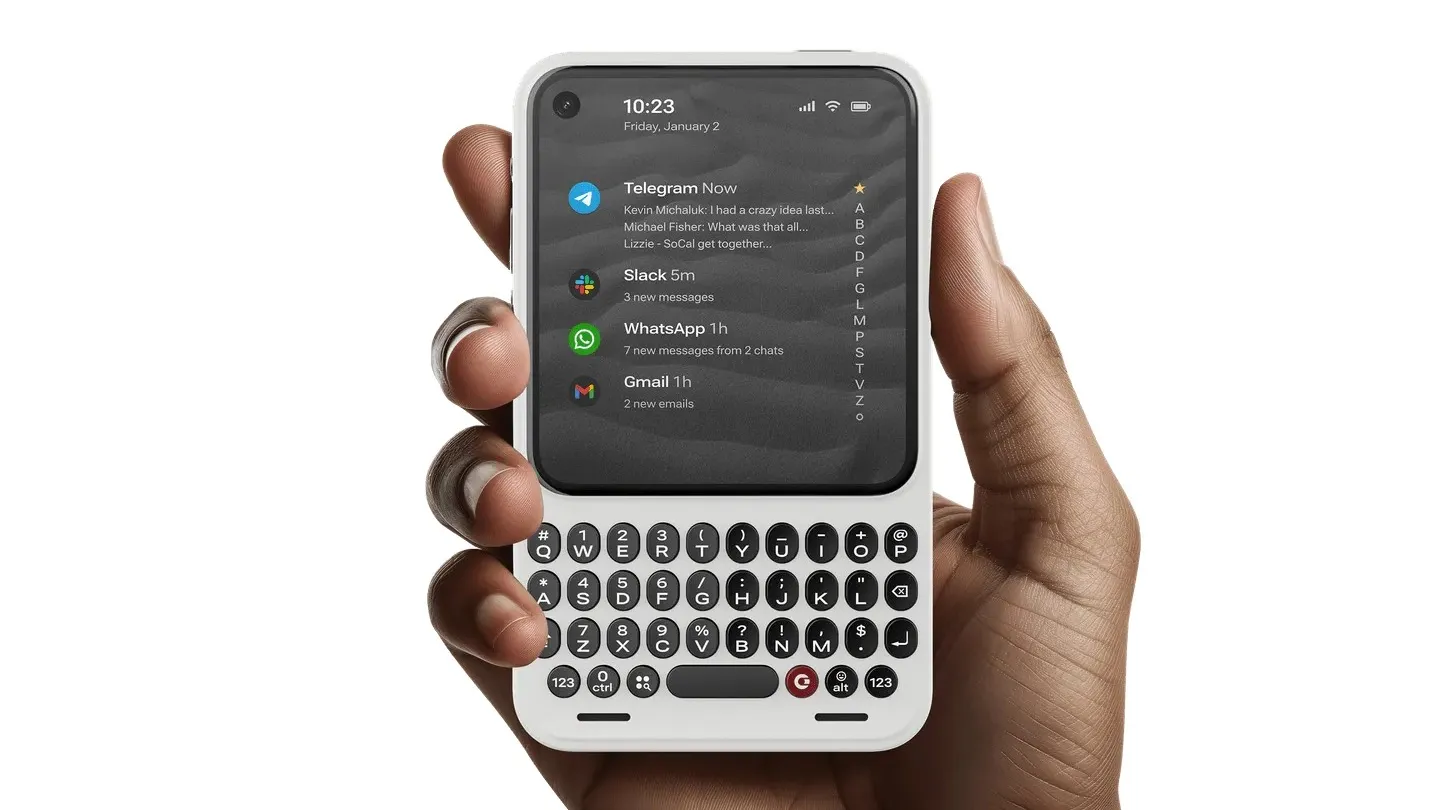
The smartphone market remains a polarized landscape defined by the ongoing rivalry between Google's Android and iOS. Although the two operating systems have achieved a degree of equality in basic functionality, they represent fundamentally different philosophies regarding hardware, software, and user agency.
Android's main strengths lie in its hardware diversity and open source foundation. Because this OS is used by a variety of manufacturers, consumers have access to a broad spectrum of form factors, including affordable devices, rugged phones, and cutting-edge foldables. From a technical standpoint, Android offers superior file management and deeper system customization, allowing power users to modify the interface and default applications in significant detail. Additionally, integration with Google's suite of services—especially Google Assistant—remains the gold standard for predictive AI and cross-platform utility.
In contrast, iOS thrives on the strength of its closed ecosystem and vertically integrated hardware-software stack. Apple's 'walled garden' approach ensures a consistent high-performance experience across all devices. The synergy between iPhone, Mac, and Apple Watch provides a level of continuity—exemplified by features like Handoff and AirDrop—that is difficult for competitors to replicate. iOS also maintains a distinct advantage in long-term software lifecycle management; Apple typically provides major OS updates for devices up to six or seven years old, contributing to higher resale values and a better security posture over time.
Security and privacy are also key points of difference. While Android has made significant progress with its 'Privacy Sandbox' and granular permission controls, iOS' App Tracking Transparency and strict App Store curation provide a more efficient and secure environment for the average user.
Ultimately, choosing between Android and iOS is less about objective superiority and more about the requirements of a particular use case. Android remains the platform of choice for those who prioritize hardware innovation, pricing flexibility, and administrative control. iOS remains the clear choice for users looking for a good, secure, and cohesive ecosystem that prioritizes long-term reliability over experimental features.
Sponsored

Lanjutkan dengan QR Code Generator
Ubah link artikel jadi QR untuk distribusi cepat.