Kenaikan Ether: Mengapa Analis Memperkirakan Lonjakan Ethereum $40,000 dan Gerhana Bitcoin
VeloTechna Editorial
Observed on Jan 13, 2026
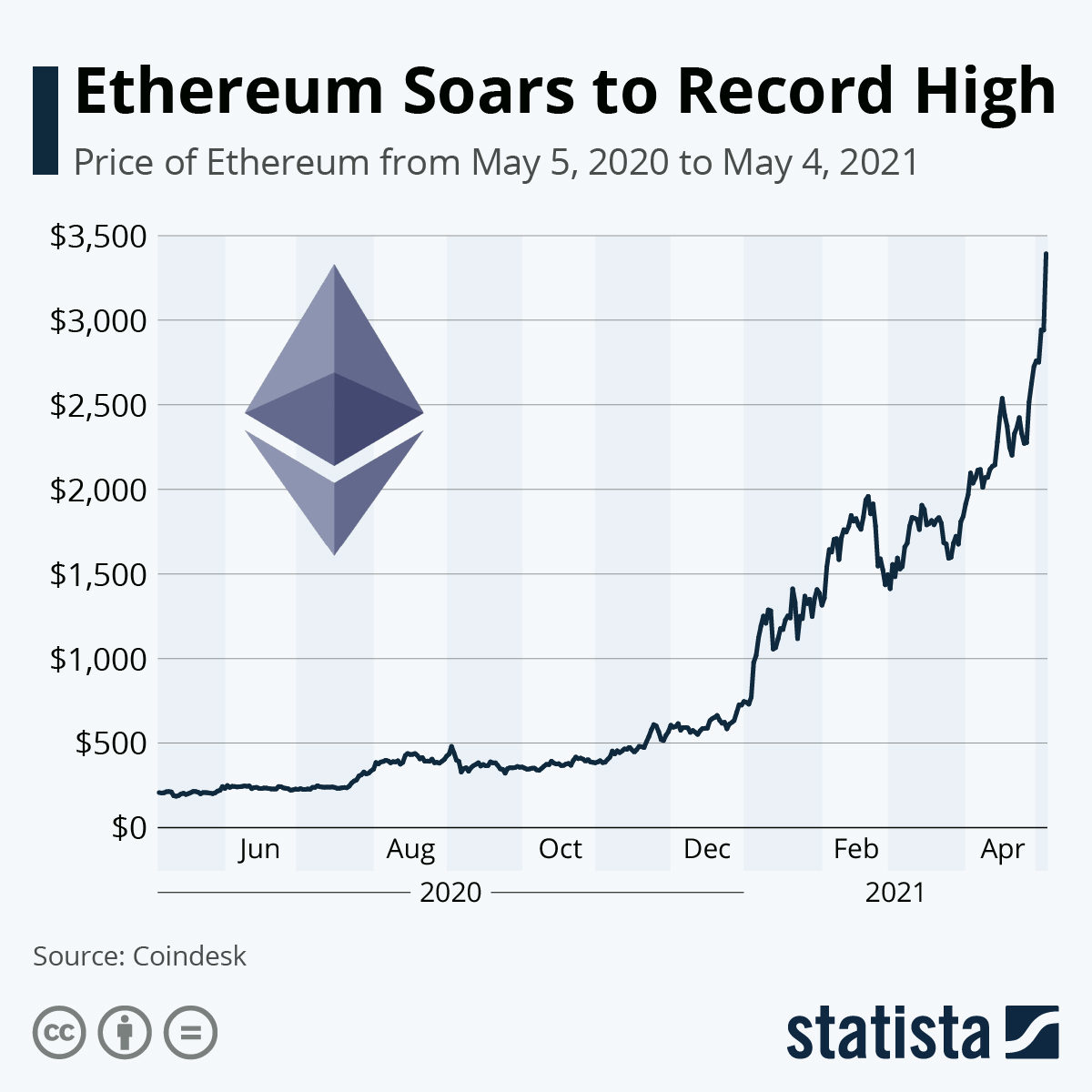
Technical Analysis Visualization
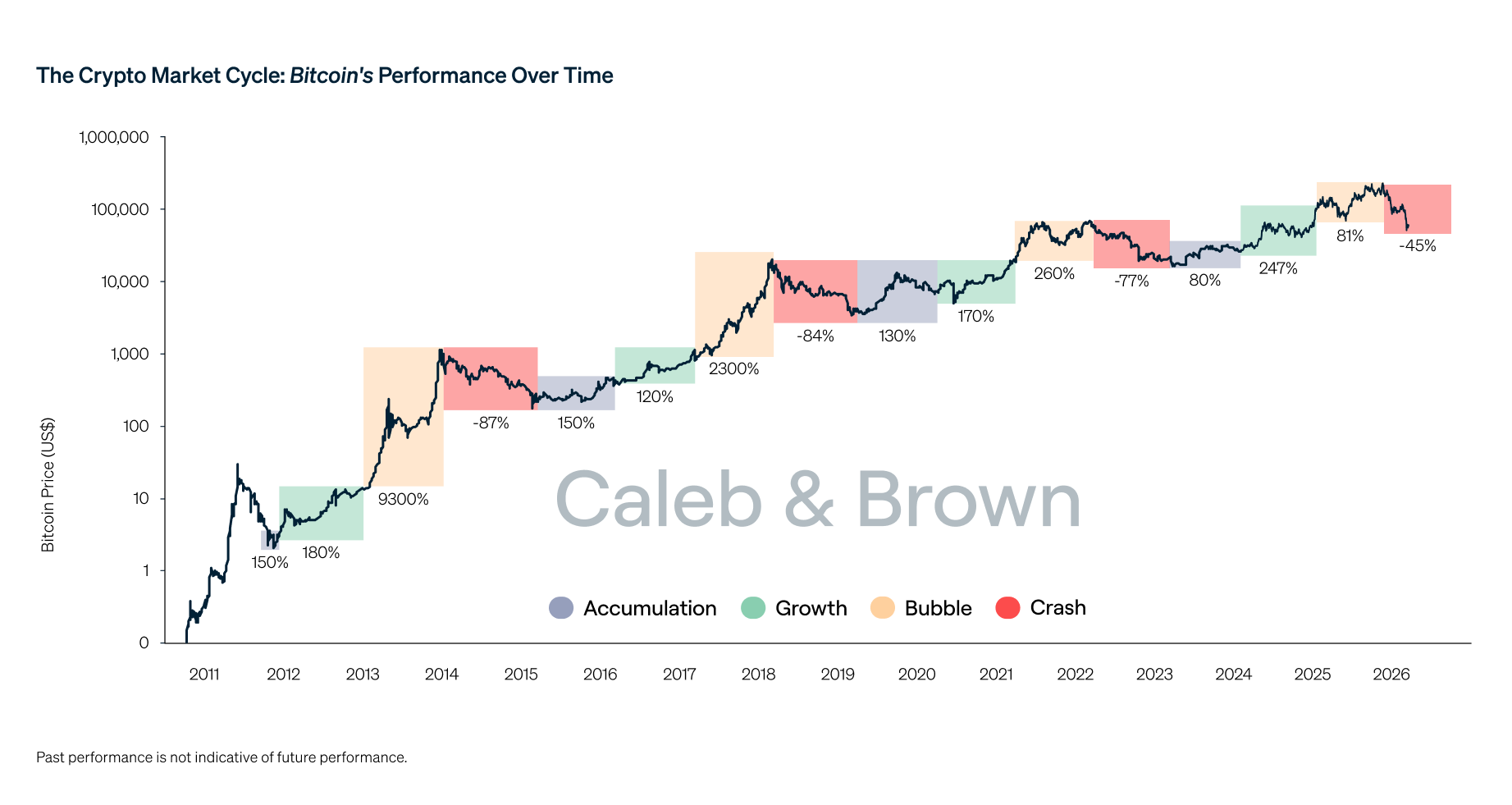
VELOTECHNA - Saat arsitektur keuangan global mengalami metamorfosis digital yang radikal, narasi seputar Ethereum telah bergeser dari sekadar aset alternatif menjadi infrastruktur dasar web masa depan. Meskipun Bitcoin telah lama menikmati statusnya sebagai emas digital utama, era baru analisis pasar yang canggih menunjukkan bahwa Ethereum (ETH) siap untuk menghancurkan level resistensi historis, dengan proyeksi valuasi yang meningkat hingga $40,000 per unit.
Poros Institusional Menuju Modal yang Dapat Diprogram
Tesis inti dari proyeksi kinerja Ethereum yang lebih baik terletak pada identitas ganda yang unik sebagai aset yang menghasilkan hasil dan komputer terdesentralisasi yang paling kuat di dunia. Para analis berpendapat bahwa ketika sektor institusional bergerak lebih dari sekadar permainan penyimpan nilai, permintaan akan 'uang yang dapat diprogram' akan mengkatalisasi peralihan likuiditas dari Bitcoin ke ekosistem Ethereum. Transisi ini didukung oleh kemampuan jaringan untuk memfasilitasi keuangan terdesentralisasi (DeFi) dan pasar yang sedang berkembang untuk aset dunia nyata (RWA) yang diberi token, yang mewakili triliunan volume potensial.
Skalabilitas dan Mesin Deflasi
Tonggak sejarah teknologi telah mengubah model kelangkaan ekonomi Ethereum secara mendasar. Melalui pematangan solusi penskalaan Lapisan 2 dan penerapan mekanisme pembakaran yang berkelanjutan, Ether berkembang menjadi aset yang semakin mengalami deflasi. Tidak seperti pasokan tetap Bitcoin, dinamika pasokan Ethereum merespons langsung terhadap utilitas jaringan; seiring dengan skala adopsi global, kecepatan kontraksi pasokan meningkat. Putaran umpan balik ini adalah pendorong utama di balik target harga $40,000, mewakili masa depan di mana Ethereum berfungsi sebagai lapisan penyelesaian yang tak terbantahkan bagi perekonomian global.
Pembalikan BTC/ETH: Realitas Kuantitatif?
Peramal strategis tidak lagi bertanya apakah Ethereum akan tumbuh, melainkan seberapa cepat hal itu akan terlepas dari pergerakan harga Bitcoin. Perbedaan teknis menjadi jelas: meskipun Bitcoin tetap menjadi lindung nilai pasif terhadap inflasi, Ethereum adalah peserta aktif dalam inovasi teknologi. Jika lintasan peningkatan jaringan dan adopsi institusional saat ini terus berlanjut, 'pembalikan'—di mana Ethereum melampaui Bitcoin dalam total kapitalisasi pasar—mungkin bukan hanya sebuah kemungkinan, namun sebuah keniscayaan matematis dalam siklus pasar berikutnya.
Sponsored

Lanjutkan dengan Word Counter
Ukur kepadatan konten analisis dan reading time.