The Clinical Proving Ground: Evaluating the Real-World Impact of AI in Healthcare
VeloTechna Editorial
Observed on Jan 06, 2026
Technical Analysis Visualization
Clinical Proving Grounds: Evaluating the Real Impact of AI on Healthcare
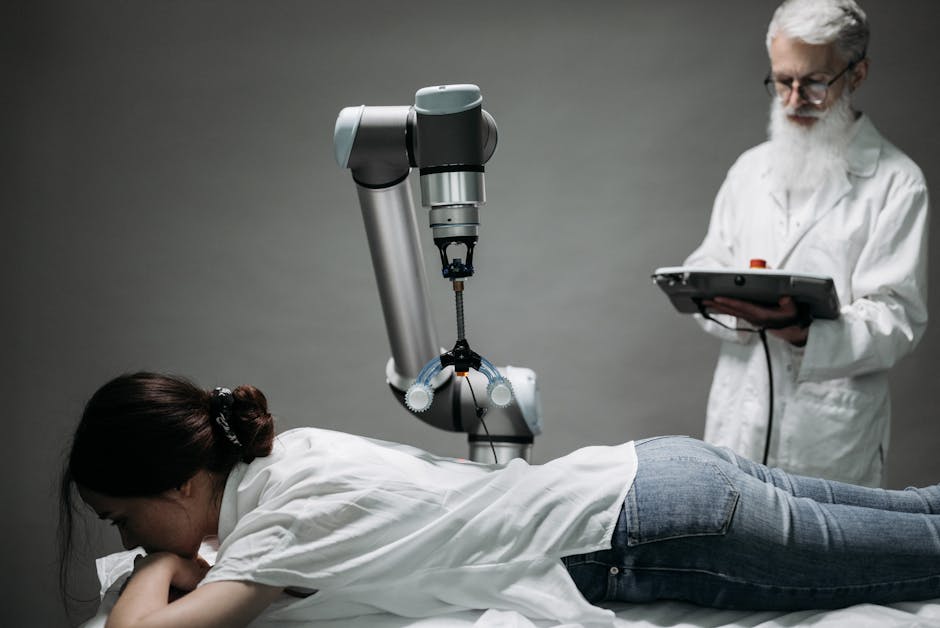
As the technology industry pushes to adopt artificial intelligence in the real world, hospitals have become a key test of the technology's viability. These institutions currently serve as high-stakes proving grounds, revealing the deep capabilities of AI while exposing its critical limitations in complex life-and-death environments.
Success: Diagnostic Efficiency and Accuracy
In the clinical context, AI has demonstrated extraordinary proficiency in two key areas: administrative streamlining and pattern recognition. One of the most successful applications isambient hearing, in which AI tools transcribe patient-doctor interactions in real-time. This significantly reduces the documentation burden for physicians, reduces fatigue, and allows for more focused patient care.
Read More:
Windows 11
Additionally, AI algorithms are proving invaluable in medical imaging and analysis predictive. From identifying early signs of sepsis to detecting subtle bone fractures or oncological anomalies that might otherwise escape human sight, these tools act as a sophisticated 'second pair of eyes'. By processing enormous data sets at speeds impossible for humans, AI helps providers prioritize the most urgent cases with greater accuracy.
Challenges: Hallucinations and Algorithmic Bias
Despite progress, the integration of AI in healthcare is not without significant obstacles. One of the most pressing concerns is the phenomenon of AI hallucinations—where models generate confident but entirely incorrect medical information. In hospitals, errors like these can have dire consequences.
Additionally, the problem of algorithmic bias remains a significant obstacle. AI models trained on imprecise historical data can inadvertently perpetuate healthcare disparities, resulting in less accurate predictions for marginalized populations. Additionally, physicians frequently report 'alarm fatigue', where excessive AI-generated alerts lead to desensitization, potentially causing staff to ignore genuine emergencies.
The Way Forward: Human-Centered Integration
The current state of hospital-based AI suggests that this technology is most effective as an augmentative tool rather than as a replacement for human judgment. The 'human-in-the-loop' model remains critical for verifying AI outputs and navigating ethical nuances in patient care.
As hospitals continue to refine their AI strategies, hospitals are turning to rigorous validation and interoperability. For AI to reach its full potential in healthcare, it must move beyond isolated pilot programs and prove that it can function reliably in the messy and unpredictable reality of clinical workflows.
Sponsored

Lanjutkan dengan Keyword Suggestions
Cari keyword turunan dari topik artikel ini.
