Google Play Store Implementation Technical Overview: APK and Web Interface Integration
VeloTechna Editorial
Observed on Jan 01, 2026
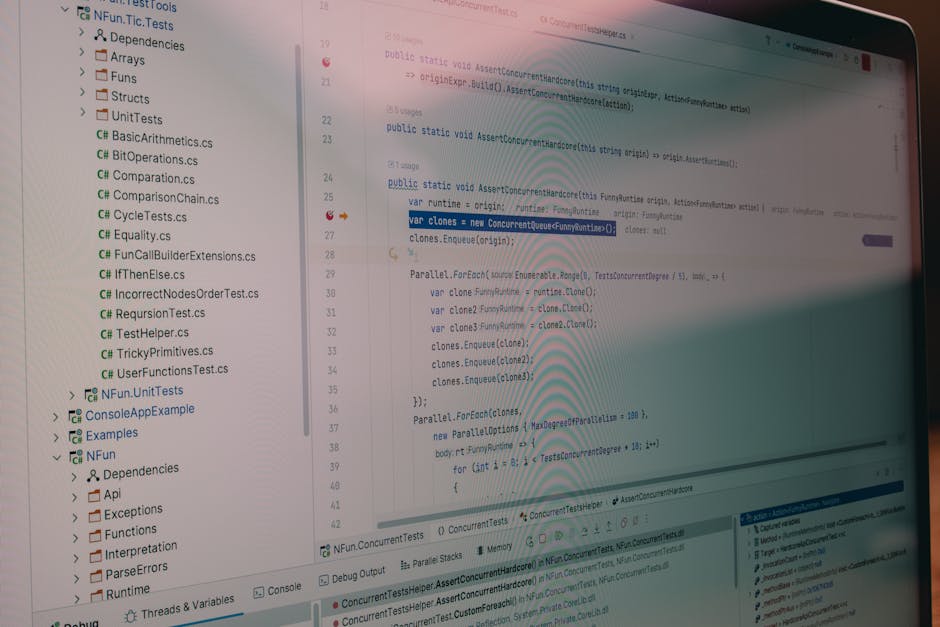
Technical Analysis Visualization
As the primary gateway for distribution of software in the Android ecosystem, the Google Play Store remains a critical component for mobile device functionality and security. While these apps come pre-installed on most Google Mobile Services (GMS) certified devices, there are some scenarios—from firmware restore to manual version testing—where users and developers may need to interact with the platform through non-standard channels.
For enterprise administrators and advanced users, manual installation of the Google Play Store APK (Android Package) provides a method to ensure devices are running the latest version before the phased rollout schedule. This process involves sideloading a binary, which requires navigating Android security permissions to allow installation from verified external sources. These files must be sourced from a reputable repository to maintain the integrity of the device's sandbox environment.
In addition to the native Android client, Google provides a comprehensive web-based application from the Play Store. This cross-platform interface enables remote management of an account's application library, enabling software deployment to registered devices from any browser. This duality of access—both via native binaries and the web interface—ensures seamless synchronization of data and security patches across the global Android user base.
Sponsored

Lanjutkan dengan QR Code Generator
Ubah link artikel jadi QR untuk distribusi cepat.