The Post-Smartphone Horizon: Membedah Kebangkitan dan Pertumbuhan Perangkat Keras AI Ambient
VeloTechna Editorial
Observed on Jan 17, 2026
Technical Analysis Visualization
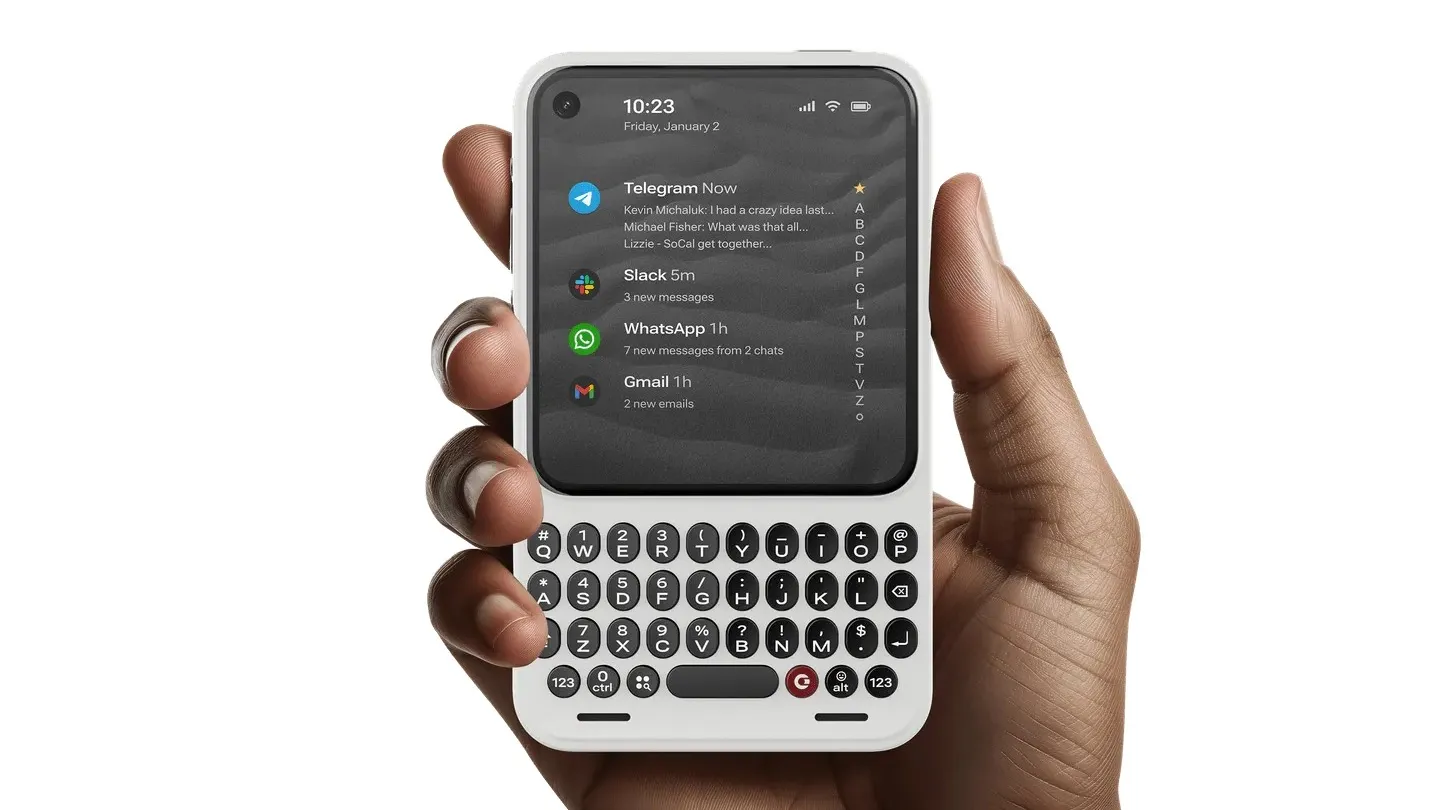
VELOTECHNA, Silicon Valley - Industri elektronik konsumen saat ini sedang menavigasi poros arsitektur paling signifikan sejak diperkenalkannya antarmuka multi-sentuh pada tahun 2007. Seiring dengan kejenuhan pasar ponsel pintar mencapai kecepatan terminal, garda depan baru entitas teknologi berupaya memisahkan kecerdasan buatan dari lempengan kaca persegi panjang yang telah mendominasi kantong kita selama dua dekade. Transisi dari komputasi yang berpusat pada layar ke interaksi ambien, suara, dan visi mewakili perubahan mendasar dalam cara niat manusia diterjemahkan ke dalam tindakan digital.
Metamorfosis di seluruh industri ini bukan sekadar tren perangkat keras, namun merupakan gambaran ulang dari sistem operasi itu sendiri. Wacana saat ini, yang dipicu oleh perkembangan terkini dalam integrasi AI generatif dan faktor bentuk perangkat yang dapat dipakai, menunjukkan bahwa era komputasi personal berikutnya akan ditentukan oleh ketidakterlihatannya. Untuk melihat secara mendetail perkembangan terkini dari evolusi ini, para pemangku kepentingan industri memantau dengan cermat perkembangan perangkat asli AI generasi pertama, seperti yang disoroti dalam Source.
Read More:
GPU
The Mechanics of Ambient Integration
At the core of this hardware revolution lies the integration of Large Language Model (LLM) dengan silikon khusus berdaya rendah. Tidak seperti ponsel pintar tradisional yang mengandalkan perpustakaan besar aplikasi terpisah, perangkat baru ini—seperti pin AI dan kacamata pintar—memanfaatkan "Large Action Models" (LAM) atau antarmuka berbasis niat. Tujuannya adalah menghilangkan perantara: aplikasi. Daripada pengguna menavigasi melalui tiga menu untuk memesan transportasi atau mengirim pesan, perangkat kerasnya menggunakan sensor multimoda (kamera, mikrofon, dan GPS) untuk memahami konteks pengguna dan menjalankan tugas secara mandiri.
Namun, tantangan teknisnya tetap berat. Mengurangi selubung termal yang diperlukan untuk pemrosesan AI berkecepatan tinggi sambil mempertahankan masa pakai baterai yang dapat bertahan pada hari kerja standar adalah sebuah rintangan yang bahkan startup yang memiliki pendanaan paling besar pun kesulitan untuk mengatasinya. Selain itu, latensi antara perintah suara dan respons AI yang diproses di cloud harus turun di bawah 200 milidetik agar terasa alami—sebuah tolok ukur yang saat ini infrastruktur 5G dan komputasi edge baru mulai mendukung secara konsisten.
Pemain Utama dan Lanskap Kompetitif
Pasar saat ini terbagi menjadi dua kubu: Pengganggu dan Petahana. Para Disruptors, termasuk startup seperti Humane dan Rabbit, berupaya membangun ekosistem yang benar-benar baru dari awal. Strategi mereka berisiko tinggi, bernilai tinggi, yang bertujuan untuk mendefinisikan "pasca-iPhone". Mereka yakin bahwa pengguna sudah bosan dengan kecanduan layar dan siap menggunakan perangkat yang mendorong kehidupan yang lebih cepat.
Sebaliknya, petahana—Apple, Meta, dan Google—mengambil pendekatan modular. Kolaborasi Meta dengan Ray-Ban telah membuktikan bahwa gaya dan pengenalan merek sama pentingnya dengan chipset internal. Vision Pro Apple, meski berada dalam kategori berbeda, berfungsi sebagai uji coba untuk sistem operasi spasial yang pada akhirnya akan menyusut menjadi kacamata ringan. Pertarungannya bukan hanya soal spesifikasi perangkat keras; yang menentukan adalah siapa yang memiliki "Agen AI" yang mengelola identitas digital pengguna di semua platform.
Reaksi Pasar dan Kesenjangan Utilitas
Reaksi awal pasar terhadap perangkat ambien ini merupakan campuran antara kekaguman terhadap teknologi dan skeptisisme fungsional. Pengguna awal memuji kebaruan antarmuka ini, namun banyak pengulas menunjukkan "kesenjangan utilitas" yang signifikan. Saat ini, perangkat-perangkat tersebut sering kali berfungsi sebagai aksesori mahal untuk sebuah ponsel pintar dan bukan sebagai penggantinya. Pasar menuntut "aplikasi yang mematikan" untuk AI ambien—suatu kasus penggunaan yang tidak mungkin dilakukan pada ponsel namun mulus pada perangkat wearable.
Investor tetap optimis. Meskipun modal ventura terus mengalir ke perangkat keras AI, terdapat peningkatan permintaan akan unit ekonomi yang berkelanjutan dan kerangka privasi yang jelas. Masyarakat berhak mengkhawatirkan mikrofon dan kamera yang "selalu aktif"; oleh karena itu, pemenang dalam bidang ini adalah mereka yang dapat memberikan jaminan privasi tingkat perangkat keras tanpa mengorbankan kekuatan prediktif AI.
Dampak & Perkiraan: Peta Jalan 24 Bulan
Selama 24 bulan ke depan, kami memperkirakan akan terjadi fase konsolidasi yang ketat. Pada Pertengahan 2025, kami memperkirakan "System-on-a-Chip" (SoC) pertama yang dirancang khusus untuk AI yang dapat dipakai dapat memasuki pasar massal, sehingga secara signifikan mengurangi kendala termal dan baterai yang saat ini mengganggu industri. Hal ini kemungkinan besar akan bertepatan dengan peluncuran perangkat wearable Apple yang lebih ramah konsumen dan integrasi Gemini yang lebih dalam dari Google ke dalam ekosistem perangkat wearable Android.
Pada 2026, era "Perangkat Pendamping" akan berakhir, dan era "Antarmuka Utama" akan dimulai. Kami mengantisipasi bahwa 15% pengguna ponsel pintar kelas atas di pasar negara maju akan beralih menggunakan perangkat AI yang dapat dipakai sebagai metode utama komunikasi dan pengambilan informasi untuk setidaknya 60% tugas sehari-hari mereka. Ponsel cerdas tidak akan hilang, namun akan terdegradasi ke peran sekunder—server portabel atau alat kreatif tingkat profesional, dan bukan pusat dunia digital.
Kesimpulan
Transisi ke perangkat keras AI ambien adalah kesimpulan logis dari upaya menuju teknologi tanpa hambatan. Meskipun generasi pertama perangkat ini telah menghadapi kritik yang masuk akal terkait kinerja dan kebutuhannya, perkembangannya tidak dapat disangkal. Kita sedang bergerak menuju dunia di mana teknologi tidak lagi menuntut perhatian penuh kita melalui layar yang bersinar, melainkan berada di pinggiran, siap membantu hanya ketika dipanggil. Di VELOTECHNA, kami memandang hal ini bukan sebagai akhir dari era seluler, namun sebagai awal dari era komputasi personal yang sesungguhnya.
Sponsored

Lanjutkan dengan QR Code Generator
Ubah link artikel jadi QR untuk distribusi cepat.