Paradigma Komputasi Baru: Menganalisis Pergeseran Global Menuju Infrastruktur AI yang Berdaulat
VeloTechna Editorial
Observed on Jan 19, 2026
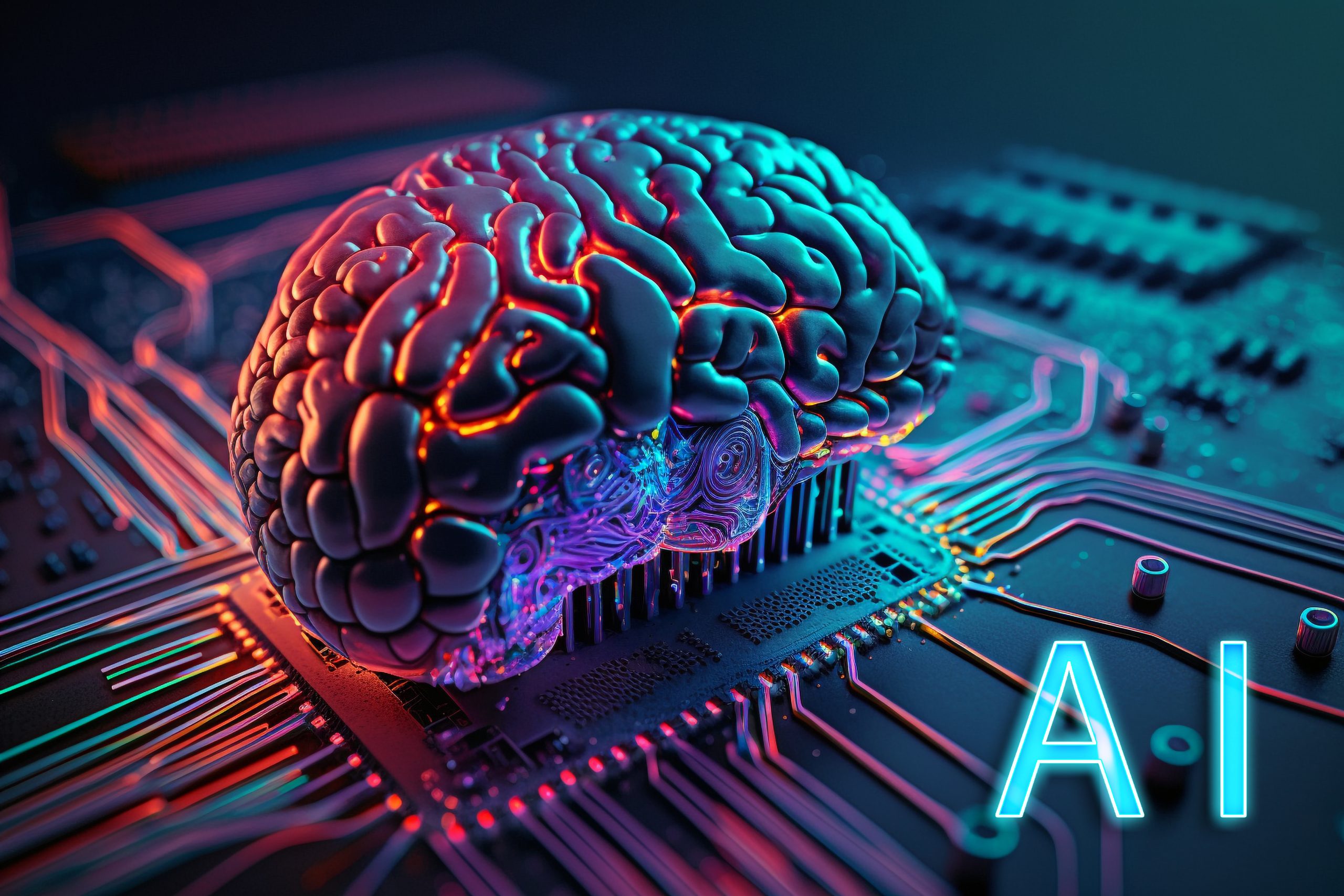
Technical Analysis Visualization
VELOTECHNA, San Francisco - Lanskap teknologi global saat ini sedang menjalani salah satu periode paling fluktuatif namun transformatif sejak awal mula internet. Ketika kendala perangkat keras bertabrakan dengan tuntutan perangkat lunak yang belum pernah terjadi sebelumnya, industri ini menyaksikan perubahan mendasar dalam rantai pasokan. Pergeseran ini bukan hanya sekedar peningkatan bertahap namun juga pemikiran ulang secara menyeluruh tentang bagaimana kekuatan komputasi disintesis dan didistribusikan ke seluruh dunia.
Momentum saat ini di sektor teknologi, sebagaimana dirinci dalam laporan industri terbaru Sumber, menunjukkan bahwa kita telah melewati fase 'hype' kecerdasan buatan dan memasuki fase 'infrastruktur'. Di VELOTECHNA, kami menganalisis hal ini sebagai 'Great Decoupling', yaitu kemampuan perangkat lunak yang pada akhirnya mendorong evolusi radikal dalam arsitektur silikon dan desain pusat data.
Baca Selengkapnya:
Buatan Kecerdasan
Mekanika Arsitektur: Melampaui GPU
Selama dekade terakhir, industri ini sangat bergantung pada GPU serbaguna untuk menangani pekerjaan berat pembelajaran mesin. Namun, mekanisme pasar sedang beralih ke Sirkuit Terpadu Khusus Aplikasi (ASIC) khusus. Tantangan utamanya bukan lagi sekadar FLOP (Floating Point Operations per Second) mentah, melainkan bandwidth memori dan efisiensi energi. Kami melihat adanya pergerakan menuju integrasi Memori Bandwidth Tinggi (HBM3e) langsung ke dalam chip, sehingga mengurangi latensi yang sebelumnya menghambat pelatihan model bahasa besar (LLM). Evolusi mekanis ini penting karena seiring dengan berkembangnya model hingga skala triliunan parameter, arsitektur tradisional von Neumann menjadi sebuah beban. Industri merespons dengan solusi 'komputasi dalam memori' yang mengaburkan batas antara penyimpanan dan pemrosesan.
Pemain Bertenaga: Konsolidasi vs. Kustomisasi
Lanskap kompetitif saat ini terdiri dari dua strategi. Di satu sisi, kita memiliki 'Fabless Giants' seperti NVIDIA dan AMD, yang berlomba untuk mempertahankan dominasi mereka melalui siklus iterasi yang cepat. Di sisi lain, kami memiliki 'Hyperscaler'—Amazon, Google, dan Microsoft—yang semakin banyak memindahkan beban kerja mereka ke silikon yang dirancang khusus seperti TPU dan Inferentia. Integrasi vertikal ini merupakan manuver defensif yang dimaksudkan untuk mengurangi ketergantungan pada vendor pihak ketiga dan mengoptimalkan total biaya kepemilikan (TCO). Selain itu, munculnya inisiatif 'Sovereign AI'—di mana negara-negara membangun cluster komputasi domestiknya sendiri—telah memperkenalkan pemain-pemain baru ke dalam kelompok tersebut, yang sering kali didukung oleh pendanaan tingkat negara bagian, yang bertujuan untuk mengamankan kedaulatan data dan kemandirian teknologi.
Reaksi Pasar: Volatilitas Penilaian
Reaksi pasar terhadap perubahan ini ditandai dengan polarisasi yang ekstrem. Investor memberi penghargaan kepada perusahaan-perusahaan yang menunjukkan jalur yang jelas menuju monetisasi dan memberikan hukuman kepada perusahaan-perusahaan yang masih berada dalam tahap 'penelitian dan pengembangan'. Ada ketegangan nyata antara belanja modal besar-besaran (CapEx) yang dibutuhkan untuk membangun pabrik AI dan pendapatan jangka pendek yang dihasilkan. Namun, konsensus di antara para analis institusional adalah risiko kekurangan investasi lebih besar daripada risiko investasi berlebihan. Hal ini menyebabkan 'kelangkaan premium' pada silikon kelas atas, dimana waktu tunggu untuk chip seri Blackwell atau MI300 terbaru masih diukur dalam hitungan kuartal, bukan minggu, sehingga mendorong pasar sekunder untuk penyewaan komputasi berbasis cloud.
Dampak & Perkiraan: Cakrawala 24 Bulan
Saat kami melihat ke arah dua tahun ke depan, kami memperkirakan dua tren utama. Pertama, kami memperkirakan 'Edge Revolution' akan terus terjadi. Pada tahun 2025, fokusnya akan beralih dari klaster pelatihan terpusat yang masif ke inferensi lokal. Artinya, ponsel pintar, kendaraan, dan sensor IoT industri Anda akan menampung NPU (Neural Processing Units) lokal yang mampu menjalankan model kompleks tanpa perlu bolak-balik ke cloud. Hal ini akan mengurangi latensi secara drastis dan meningkatkan privasi.
Kedua, kami mengantisipasi krisis 'Energy-Compute Nexus'. Hambatan pertumbuhan AI akan beralih dari ketersediaan silikon ke ketersediaan listrik. Perusahaan yang dapat berinovasi dalam pendingin cair, reaktor modular kecil (SMR), atau arsitektur berdaya sangat rendah akan menjadi kesayangan baru di sektor teknologi. Kami memperkirakan bahwa pada akhir tahun 2026, biaya listrik akan menjadi faktor yang lebih signifikan dalam penerapan model AI dibandingkan biaya perangkat keras itu sendiri.
Kesimpulan
Transisi yang kita saksikan adalah poros arsitektur paling signifikan dalam empat puluh tahun. Pergerakan menuju komputasi yang terspesialisasi, berdaulat, dan hemat energi bukan sekadar tren; ini adalah landasan baru bagi perusahaan global. Di VELOTECHNA, kami percaya bahwa pemenang era ini akan ditentukan oleh kemampuan mereka untuk mengintegrasikan perangkat keras dan perangkat lunak ke dalam tumpukan yang mulus dan hemat daya. Era 'komputasi umum' telah berakhir; era 'infrastruktur cerdas' telah dimulai. Organisasi harus menyesuaikan strategi pengadaan dan penerapannya sekarang, jika tidak, mereka berisiko tertinggal di dunia yang menganggap komputasi sebagai mata uang utama.
Sponsored

Lanjutkan dengan QR Code Generator
Ubah link artikel jadi QR untuk distribusi cepat.