Revolusi Edge AI: Bagaimana Kecerdasan Pada Perangkat Mendefinisikan Ulang Perlombaan Senjata Silikon
VeloTechna Editorial
Observed on Jan 14, 2026
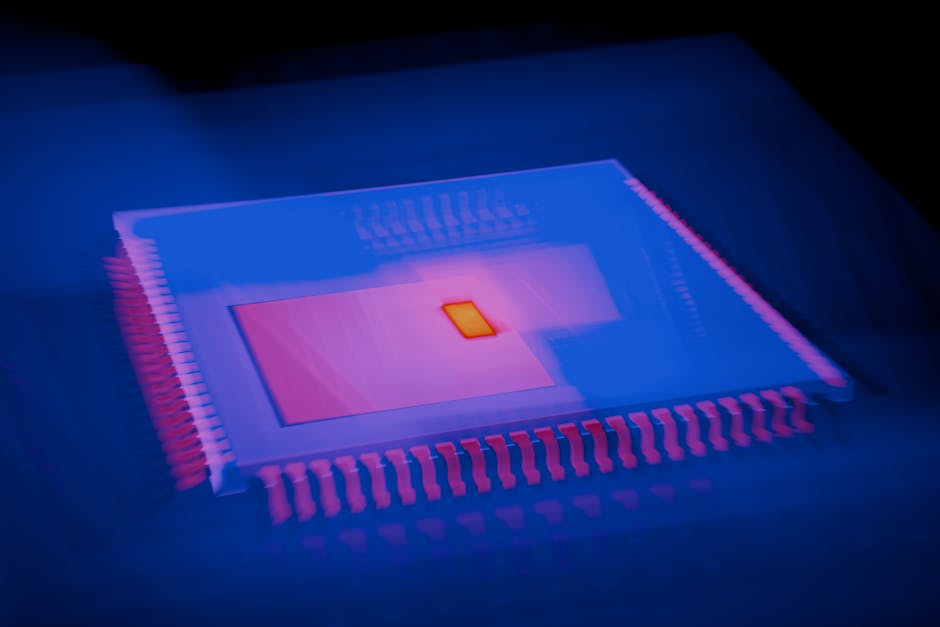
Technical Analysis Visualization
VELOTECHNA, Silicon Valley - Lanskap teknologi global saat ini sedang mengalami transformasi mendasar, menjauh dari paradigma komputasi awan terpusat yang mendominasi dekade terakhir. Saat kita bertransisi ke era yang ditentukan oleh kecerdasan generatif, fokusnya beralih dari pusat data yang sangat besar ke perangkat keras yang ada di saku dan meja kita. Poros ini bukan sekedar evolusi teknis; hal ini merupakan kebutuhan strategis yang didorong oleh kebutuhan akan privasi, pengurangan latensi, dan besarnya biaya inferensi sisi server.
Perjalanan industri saat ini, sebagaimana disoroti oleh pergerakan strategis terkini di sektor ini (Sumber), menggarisbawahi taruhan besar pada "Edge AI". Hal ini mengacu pada kemampuan perangkat konsumen untuk menjalankan Model Bahasa Besar (LLM) yang kompleks dan model difusi secara lokal, tanpa memerlukan koneksi internet yang persisten atau pemrosesan server pihak ketiga.
Mekanisme: Merekayasa Kecerdasan Lokal
Tantangan teknis Edge AI sangat berat. Untuk menjalankan model dengan miliaran parameter di perangkat seluler, produsen harus mengoptimalkan tiga vektor penting: Neural Processing Unit (NPU), bandwidth memori, dan efisiensi termal. Tidak seperti CPU atau GPU tradisional, NPU adalah sirkuit khusus yang dirancang khusus untuk aritmatika presisi rendah yang diperlukan oleh pembelajaran mendalam. Kita melihat perlombaan menuju puncak dalam "TOPS" (Triliunan Operasi Per Detik), dengan perusahaan-perusahaan yang mendorong batas-batas dari apa yang mungkin dilakukan dengan daya listrik 5 hingga 10 watt.
Selain itu, hambatannya bukan lagi hanya pada daya komputasi mentah, namun pada kecepatan perpindahan data dari memori ke prosesor. Hal ini menyebabkan penerapan arsitektur memori terpadu bandwidth tinggi, yang memungkinkan NPU mengakses kumpulan memori yang sama dengan CPU dan GPU, sehingga secara drastis mengurangi latensi tugas-tugas berbasis AI seperti pembuatan gambar real-time dan analisis teks semantik.
Para Pemain: Perjuangan Tripartit untuk Dominasi
Lanskap persaingan saat ini dibagi menjadi tiga kubu berbeda. Pertama, ada Ecosystem Titans, seperti Apple, yang memanfaatkan integrasi vertikal untuk memadukan silikon khusus (chip seri M dan A) dengan kerangka kerja perangkat lunak miliknya. Keunggulannya terletak pada loop tertutup yang mengoptimalkan pengalaman pengguna untuk tugas-tugas di perangkat yang mengutamakan privasi.
Kedua, kita melihat Inovator Chipset, dipimpin oleh Qualcomm dan NVIDIA. Platform Qualcomm Snapdragon X Elite mewakili tantangan langsung terhadap arsitektur PC tradisional, menjanjikan kinerja AI yang unggul untuk ekosistem Windows. NVIDIA, meskipun dominan di pusat data, semakin fokus untuk menghadirkan kemampuan AI yang dipercepat RTX ke laptop kelas atas, yang menargetkan pasar kreator dan developer.
Terakhir, ada Arsitek Lama—Intel dan AMD. Keduanya berlomba untuk mengintegrasikan NPU ke dalam arsitektur x86 standar mereka untuk mencegah ketidakrelevanan di pasar yang dengan cepat bergerak menuju efisiensi berbasis ARM. Perjuangan di sini adalah antara dukungan lama versus pengoptimalan modern.
Reaksi Pasar: Penilaian Latensi
Respon pasar terhadap perubahan ini adalah optimisme yang hati-hati yang diikuti dengan realokasi modal yang agresif. Investor beralih dari permainan AI yang hanya bersifat perangkat lunak dan beralih ke penyedia perangkat keras yang dapat memfasilitasi "AI PC" dan "AI Smartphone". Ada kesadaran yang semakin besar bahwa agar AI benar-benar ada di mana-mana, AI harus memiliki fitur "selalu aktif" dan "respon instan", yang hanya dapat disediakan oleh pemrosesan di perangkat.
Sentimen konsumen juga mengalami pergeseran. Ketika pengguna menjadi lebih sadar akan masalah privasi data, kemampuan untuk memproses informasi pribadi yang sensitif secara lokal—tanpa harus meninggalkan perangkat—menjadi nilai jual premium. Hal ini telah menciptakan pasar yang terbagi dua, di mana perangkat kelas atas berkemampuan AI menghasilkan margin yang jauh lebih tinggi, sementara perangkat keras tingkat pemula tanpa silikon AI khusus berisiko menjadi usang dalam satu siklus produk.
Dampak & Perkiraan: Cakrawala 24 Bulan
Selama dua tahun ke depan, VELOTECHNA memperkirakan "Penyegaran Perangkat Keras Hebat". Pada pertengahan tahun 2026, kami memperkirakan 70% dari seluruh ponsel cerdas premium dan 50% laptop kelas profesional akan dilengkapi silikon AI khusus yang mampu menjalankan model 10 miliar parameter pada kecepatan asli. Hal ini akan mengakibatkan matinya "chatbot" sebagai antarmuka mandiri, karena AI menjadi lapisan tak kasat mata yang terintegrasi ke dalam setiap fungsi sistem operasi—mulai dari pengelolaan file prediktif hingga terjemahan suara real-time.
Selanjutnya, kami mengantisipasi perubahan signifikan dalam rasio cloud-to-edge. Meskipun cloud akan tetap menjadi tempat utama untuk melatih model-model besar, "Ekonomi Inferensi" akan semakin berkembang. Hal ini akan mengurangi biaya operasional secara signifikan bagi perusahaan perangkat lunak, karena mereka memindahkan beban komputasi ke perangkat keras milik konsumen, sehingga berpotensi mengarah pada gelombang baru aplikasi "yang mengutamakan AI" dan bebas biaya komputasi berbasis langganan.
Kesimpulan
Transisi ke Edge AI mewakili salah satu perubahan arsitektur paling signifikan dalam sejarah komputasi. Dengan memindahkan “otak” AI dari pusat data yang jauh ke silikon lokal, industri ini memecahkan tiga ancaman yaitu privasi, latensi, dan biaya. Bagi produsen, perlombaan sedang berlangsung untuk menyediakan NPU yang paling efisien dan bertenaga. Bagi konsumen, imbalannya adalah pengalaman digital yang lebih personal, aman, dan responsif. Di VELOTECHNA, kami yakin pemenang dekade ini bukanlah mereka yang menciptakan model terhebat, namun mereka yang mampu mengecilkan model tersebut secara efektif hingga pas dalam genggaman tangan.
Sponsored

Lanjutkan dengan Keyword Suggestions
Cari keyword turunan dari topik artikel ini.

