Renaisans Arsitektur: Bagaimana Silikon yang Dipesan Lebih Dahulu Mendefinisikan Ulang Dominasi Teknologi Global
VeloTechna Editorial
Observed on Jan 14, 2026

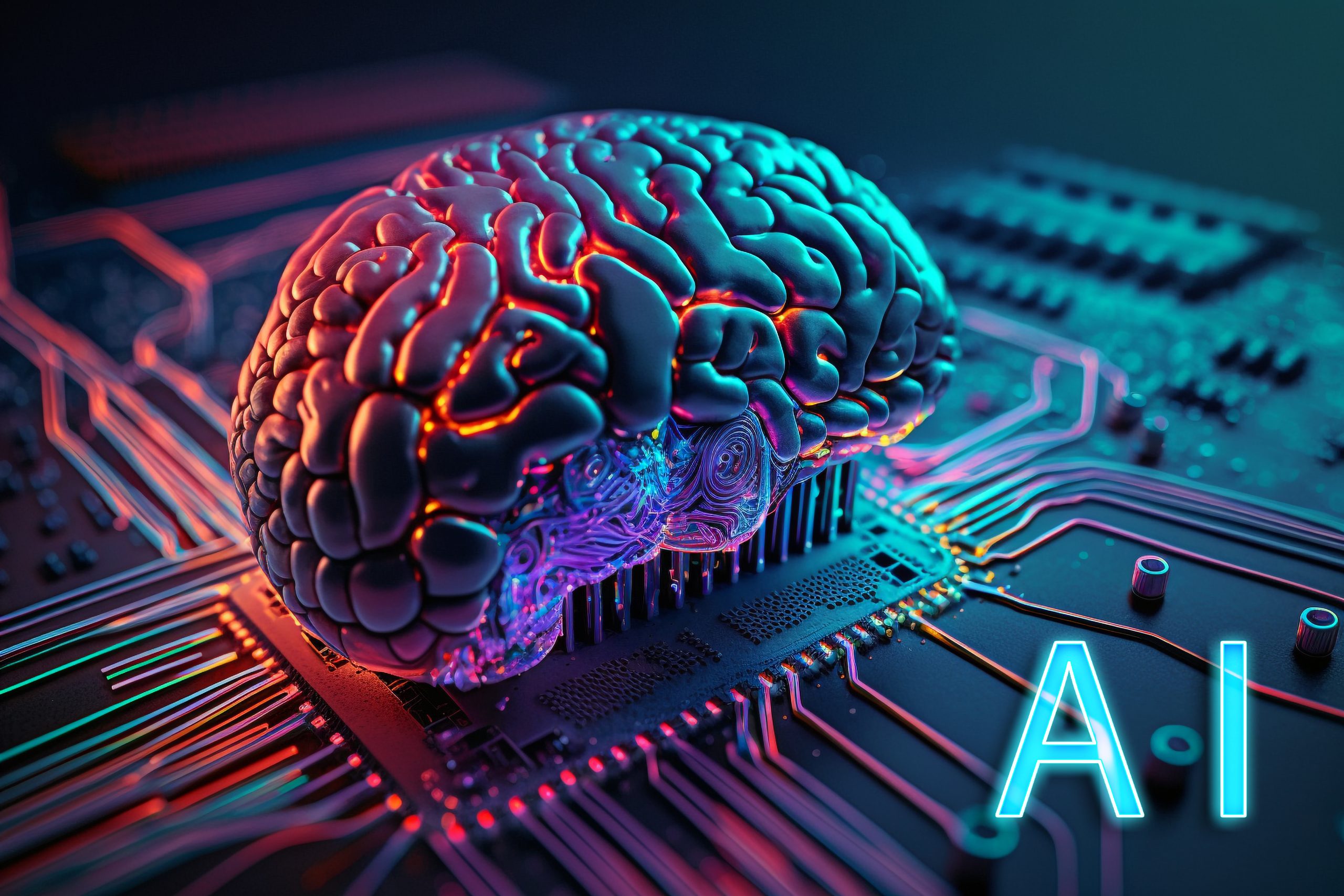
Technical Analysis Visualization
VELOTECHNA, Zurich - Lanskap teknologi global saat ini sedang mengalami pergeseran tektonik, transisi dari era komputasi tujuan umum ke paradigma arsitektur khusus domain yang sangat terfragmentasi. Evolusi ini bukan sekadar tonggak sejarah teknis namun merupakan penyelarasan mendasar dinamika kekuatan dalam sektor semikonduktor dan infrastruktur cloud yang bernilai triliunan dolar. Saat organisasi bergulat dengan meningkatnya tuntutan komputasi kecerdasan buatan generatif dan komputasi kinerja tinggi (HPC), industri ini menyaksikan poros strategis yang memprioritaskan integrasi vertikal dibandingkan model rantai pasokan horizontal tradisional.
Transformasi ini ditegaskan oleh perubahan baru-baru ini perkembangan perdagangan internasional dan kedaulatan teknologi, seperti yang disoroti dalam laporan industri terbaru ini: Sumber. Di VELOTECHNA, analisis kami menunjukkan bahwa kita sedang memasuki 'Silicon Renaissance', di mana proposisi nilai telah bergeser dari siapa yang dapat memproduksi transistor terkecil menjadi siapa yang dapat merancang akselerator spesifik beban kerja yang paling efisien.
Mekanisme Arsitektur Kepemilikan
Dasar teknis dari perubahan ini terletak pada pemisahan perangkat lunak dari batasan perangkat keras umum. Selama beberapa dekade, arsitektur x86 mendominasi perusahaan, menyediakan lingkungan standar untuk pengembangan perangkat lunak. Namun, perlambatan 'Hukum Moore' telah memaksa peralihan ke ASIC khusus (Sirkuit Terpadu Khusus Aplikasi) dan FPGA (Field-Programmable Gate Arrays). Dengan menyesuaikan silikon untuk operasi matematika tertentu—seperti pemrosesan tensor untuk jaringan neural—perusahaan dapat mencapai peningkatan performa per watt yang jauh lebih besar daripada yang dapat ditawarkan oleh CPU tujuan umum.
Selain itu, kebangkitan arsitektur set instruksi (ISA) RISC-V telah mendemokratisasi desain silikon. Dengan menyediakan alternatif sumber terbuka terhadap ISA berpemilik seperti ARM atau x86, RISC-V memungkinkan pemain kecil dan negara berdaulat untuk mengembangkan chip khusus tanpa beban biaya lisensi yang besar atau risiko geopolitik yang terkait dengan kekayaan intelektual yang berpusat pada Barat. Pergeseran mekanis ini adalah mesin yang mendorong diversifikasi ekosistem perangkat keras saat ini.
Para Pemain: Dari Raksasa Menjadi Pengganggu
Lanskap persaingan sedang berubah ketika pembuat chip tradisional menghadapi tekanan dari pelanggan terbesar mereka sendiri. Hyperscaler seperti Amazon (dengan Graviton dan Inferentia), Google (dengan seri TPU-nya), dan Microsoft (bersama Maia) tidak lagi puas hanya menjadi konsumen silikon. Dengan merancang chip mereka sendiri, para raksasa ini secara efektif 'menghilangkan perantara', mengurangi OpEx jangka panjang mereka dan menciptakan tumpukan perangkat keras-perangkat lunak yang lebih kohesif. Integrasi vertikal ini memberi mereka keunggulan kompetitif yang signifikan, karena mereka dapat mengoptimalkan layanan cloud mereka pada tingkat molekuler.
Sebaliknya, pemain lama seperti Intel dan AMD dipaksa untuk mengubah diri mereka sendiri. Peralihan Intel menuju model pengecoran (IDM 2.0) merupakan respons langsung terhadap tren ini, dengan berupaya menangkap bisnis manufaktur dari perusahaan-perusahaan yang merancang silikon khusus. Sementara itu, NVIDIA telah berhasil bertransisi dari produsen GPU ke produsen penyedia platform full-stack, memanfaatkan ekosistem perangkat lunak CUDA untuk memastikan bahwa bahkan ketika silikon khusus meningkat, industri tetap terikat pada lingkungan perangkat lunak milik NVIDIA.
Reaksi Pasar: Volatilitas Inovasi
Pasar keuangan bereaksi terhadap perubahan ini dengan perasaan euforia dan sangat hati-hati. Kita telah melihat valuasi yang belum pernah terjadi sebelumnya terhadap perusahaan-perusahaan yang berada di pusat booming perangkat keras AI, namun terdapat 'Capex Conundrum' yang terus berkembang. Investor semakin mencermati belanja modal besar-besaran yang diperlukan untuk membangun pusat data generasi berikutnya. Meskipun pertumbuhan pendapatan di segmen pusat data pembuat chip besar telah mencapai sejarah, keberlanjutan pertumbuhan ini bergantung pada pengguna akhir—perusahaan—yang menemukan ROI yang jelas dalam aplikasi AI.
Ada juga perubahan penting dalam aliran modal ventura. Pendanaan berpindah dari SaaS tujuan umum ke 'Hard Tech' dan 'Silicon-to-Software' startup. Pasar mulai memperhitungkan kenyataan bahwa dominasi perangkat lunak pada dekade berikutnya akan didasarkan pada efisiensi perangkat keras. Hal ini menyebabkan tingginya harga perusahaan yang memiliki kumpulan data eksklusif dan perangkat keras khusus yang diperlukan untuk memprosesnya dalam skala besar.
Dampak & Perkiraan: Outlook 2025-2026
Dalam 24 bulan ke depan, VELOTECHNA memperkirakan dua tren utama yang akan menentukan industri teknologi. Pertama, kami mengantisipasi munculnya infrastruktur 'Sovereign AI'. Negara-negara akan semakin memandang kapasitas komputasi sebagai utilitas penting, serupa dengan energi atau air. Hal ini akan mengarah pada pendirian pusat data yang didanai negara dengan menggunakan desain silikon lokal untuk memastikan privasi data dan kemandirian teknologi dari konglomerat teknologi global.
Kedua, kami mengharapkan adanya dorongan besar-besaran menuju 'Edge Intelligence'. Karena biaya komputasi awan terpusat tetap tinggi akibat 'pajak AI' pada perangkat keras, maka akan terjadi migrasi strategis kekuatan pemrosesan menuju edge. Pada tahun 2026, kami memperkirakan bahwa silikon AI khusus akan ada di mana-mana di perangkat elektronik konsumen, sistem otomotif, dan IoT industri, sehingga memungkinkan inferensi real-time tanpa latensi atau biaya cloud. Hal ini akan menciptakan ledakan sekunder bagi perusahaan desain khusus dan pabrik pengecoran logam yang mampu memproduksi node berdaya rendah dan berefisiensi tinggi.
Kesimpulan
Era komputasi satu ukuran untuk semua telah berakhir. Penyelarasan strategis yang kita saksikan saat ini adalah perubahan paling signifikan dalam industri teknologi sejak transisi dari arsitektur mainframe ke arsitektur client-server. Bagi para pemimpin dan investor, mandatnya jelas: kesuksesan di tahun-tahun mendatang akan ditentukan oleh kemampuan untuk menavigasi dunia di mana perangkat keras tidak lagi menjadi komoditas, namun menjadi pembeda strategis utama. Di VELOTECHNA, kami tetap berkomitmen untuk memantau kompleksitas ini seiring dengan berkembangnya Silicon Renaissance.
Sponsored

Lanjutkan dengan JSON Tools
Format dan validasi payload dengan cepat.